
Introduction
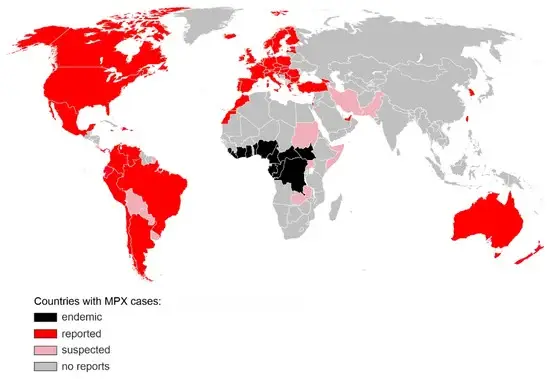
Mpox is the new name for monkeypox which has been declared a global health emergency in Africa by the World Health Organization (WHO). This viral infection has re-emerged in various regions of the world including Africa and poses significant health challenges.
This latest instance of mpox is worrying, especially since the world is still recuperating from COVID-19. The virus has now spread to several countries and there are huge increases in reported cases and fatalities. By focusing on community-oriented responses as well as international collaboration, efforts are ongoing to understand and address these outbreaks. In this blog, we’ll look at what monkeypox is, its symptoms, transmission, prevention and the current worldwide situation.
Let’s see why this case might be happening:
What is Monkeypox?
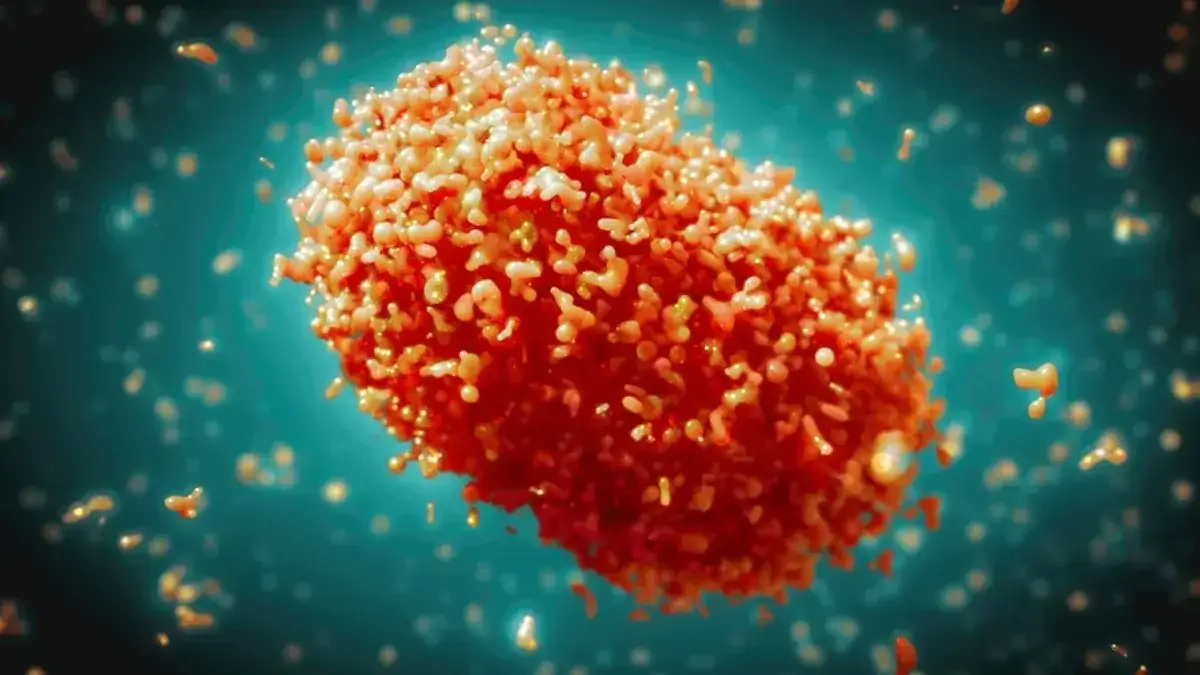
Monkeypox is an illness caused by a virus called monkeypox virus which belongs to the Orthopoxvirus family. It was first found in 1958 among monkeys used for laboratory purposes and then a human case was recorded in 1970 at Democratic Republic of Congo (DRC). The virus resembles smallpox but it generally appears less severe
Monkeypox Symptoms
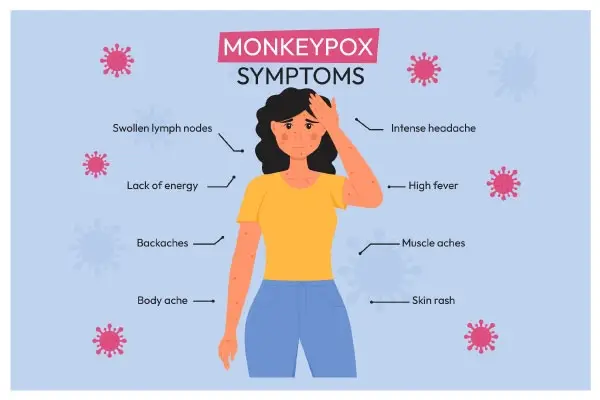
When the signs of monkeypox are seen, they tend to emerge within five to twenty one days after being contaminated and last for between two and four weeks. These symptoms include:
- Fever
- Headache
- Body ache
- Back ache
- Weakness in body systems
- Swollen lymph nodes
- A skin rash or mucosal lesions that can appear on the face, hands, feet, and other parts of the bodyFever
How Monkeypox Spreads?
The disease monkeypox spreads from person to person or from animals to humans. This is through:
- Direct contact with infected lesions or bodily fluids,
- Face-to-face contact for a prolong period which results into respiratory droplets,
- Contact with contaminated materials like beddings and clothes,
- Bites/scratches by animals or handling infected animals.
Prevention and Treatment
Avoiding contact with infected people and animals is necessary for preventing monkeypox. In addition, practicing good hygiene as well as using appropriate personal protective equipment (PPE) should be considered necessary. Additionally, smallpox vaccines have been shown to be effective in protecting against monkeypox.
The mainstay therapy mainly involves addressing symptoms whereas supportive care is provided. Antiviral drugs may be given in severe cases.
Overview
The disease is caused by a serious virus called Monkeypox infection that compels global attention and collective attempts taken towards its containment. By being aware of what causes it and taking preventive measures we can protect ourselves and our communities from this emerging threat.
Comparing COVID-19 (caused by the SARS-CoV-2 virus) and monkeypox (mpox, caused by the monkeypox virus) reveals several key differences and similarities:
| Key Factors | COVID-19 | Mpox |
| Transmission | Spreads primarily through respiratory droplets when an infected person coughs, sneezes, or talks. It can also spread through airborne particles and contaminated surfaces. | Transmits through close physical contact with an infected person’s skin lesions, body fluids, or respiratory droplets during prolonged face-to-face interaction. It can also spread via contaminated materials like bedding or clothing. |
| Symptoms | Common symptoms include fever, cough, shortness of breath, fatigue, muscle aches, loss of taste or smell, and gastrointestinal issues. | Symptoms include fever, headache, muscle aches, swollen lymph nodes, and a distinctive rash that progresses to firm, deep-seated lesions. |
| Contagiousness | Highly contagious, even from asymptomatic individuals. | Less contagious than COVID-19 and typically spreads through direct contact with symptomatic individuals. |
| Prevention | Preventive measures include vaccination, wearing masks, practicing social distancing, and maintaining good hand hygiene. | Prevention involves avoiding close contact with infected individuals, using personal protective equipment (PPE), and vaccination (smallpox vaccines can provide protection against mpox). |
| Variants | The virus mutates rapidly, leading to multiple variants with varying degrees of transmissibility and severity. | The virus mutates more slowly, with two main clades: the West African clade (less severe) and the Central African clade (more severe). |
| Global Impact | Has caused a global pandemic with millions of cases and deaths worldwide since its emergence in late 2019. | While it has caused outbreaks, it has not reached the same level of global spread and impact as COVID-19. However, recent increases in cases have raised concerns. |
Conclusion
While both COVID-19 and mpox are serious viral illnesses, they differ significantly in their modes of transmission, symptoms, contagiousness, and global impact. Understanding these differences is crucial for effective prevention and control measures.
Urge to Take Action
Keep up with the most recent information about monkeypox by subscribing to reliable health agencies such as the World Health Organization and your local health department. Talk about this information with your loved ones to encourage awareness and preventative actions.






One Response