Introduction:
In recent years, the world has seen so many exposure and re-arrival of several deadly viruses, each of them created and still creating significant threats to global health. Among these, Mpox ( Monkeypox) currently has more attention due to its rapid spread and severe impact. However, Mpox is not alone a serious harm. This blog delves into four other viruses that are equally deadly, if not more so, than Mpox. From the infamous Ebola virus to the relentless Marburg virus, we will explore the characteristics, transmission methods, and the devastating effects these pathogens have on human populations. Join us as we uncover the grim realities of these viral threats and the ongoing efforts to combat them.
Let’s have a look into the basics. A virus is a contagious agent that can only reproduce inside the living cells of a host living thing. Different from bacteria or other microorganisms, viruses are not considered as living organisms because they can’t do metabolic processes on their own. Mpox is also a viral disease caused by the Monkeypox virus (Orthopoxvirus genus) smallpox and chickenpox virus belong to the same genus. It is first identified in the monkeys in laboratory on 1958, the disease was later found in humans in 1970 in the Democratic Republic of the Congo

VIRUSES
Does Mpox have more Impact than 4 Other Viruses ?
The World Health Organization (WHO) has reported ongoing transmission of the Mpox virus across multiple regions, with particular weight on Africa, where the Democratic Republic of the Congo (DRC) is experiencing a severe outbreak. Since the beginning of the year, the DRC alone has reported over 14,000 cases and 511 deaths This is no way near to comparison of Smallpox, Ebola virus, Marburg virus, Lassa fever.
Comparison between Mpox and 4 Other viruses
Here’s a comparison between Mpox (Monkeypox) and four other viruses: Smallpox (Variola virus), Cowpox virus, Ebola virus, Marburg Virus and Lassa virus.
| Disease: Monkeypox | Smallpox | Ebola Virus | Marburg Virus | Lassa Fever |
| Caused by: Mpox virus | variola virus Same virus related to Mpox | Ebola virus | Marburg virus | Lassa virus |
| Mortality Rate: 1-10% | 30% | 25-90% | 24-88% | 15-20% |
| Medicines: ❌ | ✅ | ✅ | ❌ | ✅ |
Symptoms for Mpox – other 4 Viruses
| Diseases | Symptoms |
| Monkeypox | Fever, Headache, Back pain, Rash |
| Smallpox | High fever, Chills, Headache, Backache |
| Ebola Virus | Joint pain, Sore Throat, Muscle pain, Joint pain |
| Marburg Virus | Joint pain, Sore Throat, Muscle pain, Joint pain |
| Lassa Virus | Fever, Headache, Sore throat ,Muscle pain Abdominal pain |
What is the difference?
Mpox VS Smallpox
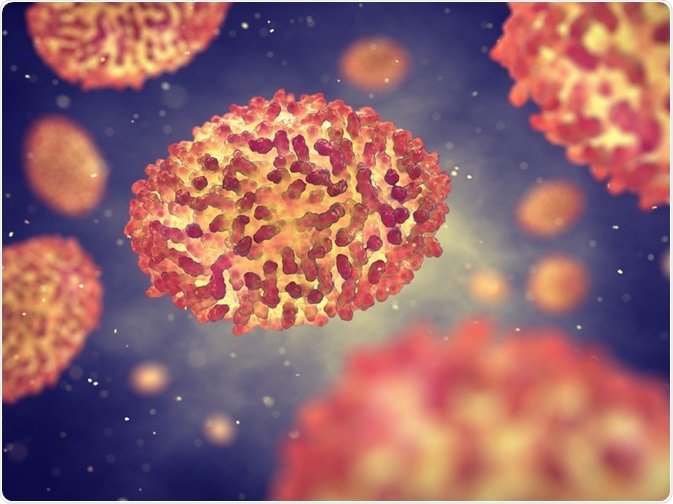
Smallpox and Mpox belong to the Orthopox virus genus and are thus caused by related but different viruses. Thanks to good vaccines, smallpox had been eliminated (smallpox is not a current contage) by 1980. Smallpox was known to be highly infectious and out spread Mpox.
Mpox VS Ebola Virus
Monkeypox is an illness that is very much similar to chickenpox but less severe, and it is caused by the Monkeypox virus, and common in countries in Central and West Africa. Ebola is an infectious disease that is caused by a virus – the Ebola Virus – and results in severe hemorrhagic fever that is fatal in more cases, particularly in sub-Saharan Africa. Both are transmitted directly through physical contact and with infected animals or other humans in particular.

Mpox VS Marburg Virus
MARV was first identified in 1967 in people, whereas Mpox was described in 1958 with subsequent confirmation of the first zoonotic human case in 1970. These two viruses were well-known human diseases only several years ago and nowadays such cases are considered as rare examples of infections.
Mpox VS Lassa Virus
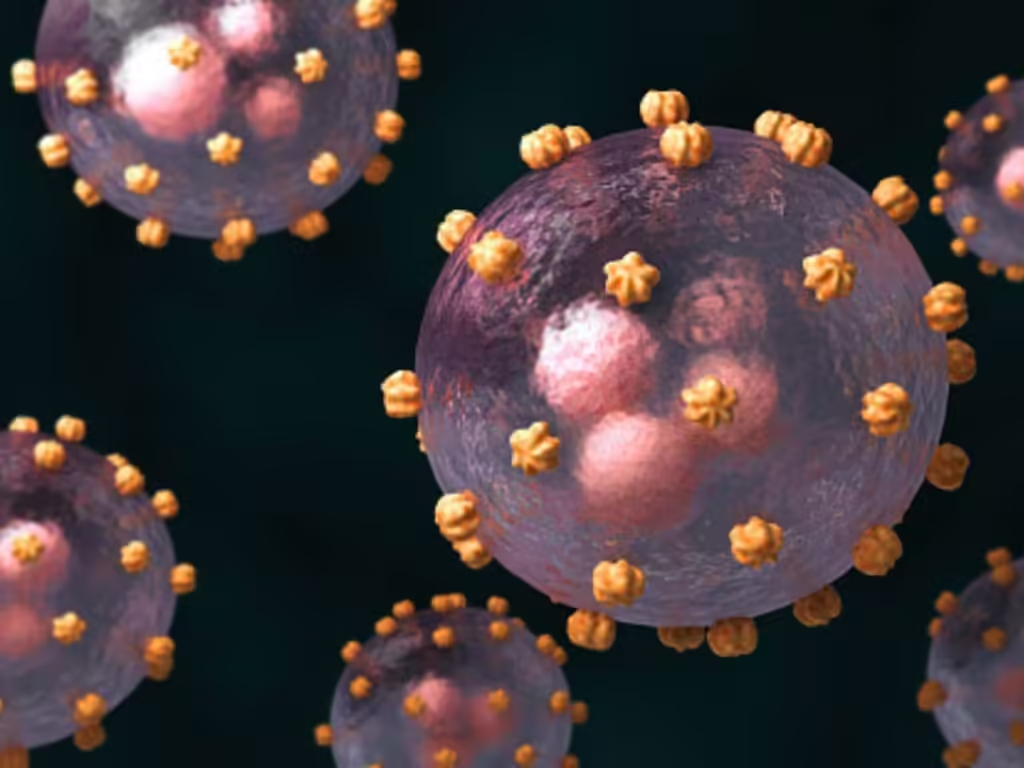
Monkeypox is a viral disease causing fever and a characteristic rash, primarily spread by contact with infected animals or humans. Lassa fever, caused by the Lassa virus, leads to hemorrhagic symptoms and is transmitted mainly through contact with rodent excreta or bodily fluids of infected individuals. Monkeypox has a lower mortality rate compared to Lassa fever.
World Health Organization perspective on Monkeypox Virus
WHO Director Dr. Tedros Adhanom Ghebreyesus has declared that an increase of Mpox in the Democratic Republic of the Congo (DRC) and a growing number of countries in Africa represents a PHEIC under the International Health Regulations (2005). The exposure of a new clade of Mpox, it’s rapidly spread in eastern DRC, and the reported cases in several nearby countries are very worrying. In addition to the continued circulation of other mpox clades in DRC along with other countries in Africa, it is now evident that there is need to enhance international efforts in order to contain these outbreaks and in the process save people’s lives.
World Health Organization perspective on Smallpox Virus
In the 1960s, the World Health Organization (WHO) led efforts to stop the worldwide spread of smallpox and control outbreaks by vaccinating them to help the world. It was eradicated in 1980. The last naturally occurred case that was reported was in 1977. In the 1970s Indian physician and epidemiologist Larry Brilliant contributed an important role in efforts that eradicated smallpox caused by the deadliest viruses called variola major. It has affected nearly 1,00,000 people all over the world.
World Health Organization perspective on Ebola Virus
The World Health Organization (WHO) has confirmed that the present Ebola outbreak is the “most severe acute health emergency in modern times” The World Health Organization (WHO) has been actively involved in the fight against Ebola virus disease (EVD), a severe and often fatal illness with mortality rates that have ranged from 25% to 90% in past outbreaks. The Ebola virus, identified in 1976, is primarily transmitted through contact with infected animals or the bodily fluids of infected humans. WHO recently issued new guidelines strongly recommending the use of two therapies with monoclonal antibodies, REGN-EB3 and mAb114 (Ansuvimab; Ebanga) (Inmazeb), which have shown significant benefits in treating Ebola.
World Health Organization Say on Marburg Virus
he World Health Organization (WHO) emphasizes the severe threat posed by the Marburg virus, which causes Marburg virus disease (MVD), a highly virulent and often fatal illness. With a case fatality rate ranging from 24% to 88% depending on The outbreak, MVD, is considered one of the deadliest viral diseases. The virus is transmitted to humans from fruit bats and spreads through human-to-human contact via bodily fluids, contaminated materials, and surfaces. Currently, there are no approved vaccines or antiviral treatments for Marburg virus disease, although experimental treatments and supportive care can improve survival outcomes World Health Organization.
World Health Organization Say on Lassa Virus
The World Health Organization (WHO) recognizes Lassa fever as a significant public health challenge, particularly in West Africa where it is endemic. The disease is caused by the Lassa virus, transmitted primarily through contact with the urine or excrement from diseased Mastomys rats, which are prevalent in the area. between people transmission can occur, especially in healthcare settings, but it is less common. The WHO emphasizes the importance of early diagnosis and treatment, as these can significantly improve survival rates. They also bring to focus the challenges that affected regions, including simultaneous outbreaks of other diseases and ongoing security issues, which complicate the response to Lassa fever.
Do follow links for more Contents : https://athenas.co.in/clade-1-mpxv-outbreak-at-africa-sweden/
https://athenas.co.in/mpox-why-is-africa-so-worried/ Viruses.co.in