Benefits of Integrated HR, Payroll and Compliance Systems
Introduction
Many businesses manage HR, payroll, attendance, and compliance through separate systems. While this approach may work initially, it often creates duplicate work, reporting challenges, and operational inefficiencies.
An integrated workforce management system helps organizations streamline operations and improve visibility across all workforce-related processes.
Challenges of Disconnected Systems
When HR, payroll, and compliance systems operate independently, organizations commonly experience:
- Duplicate data entry
- Attendance mismatches
- Payroll calculation errors
- Delayed reporting
- Compliance risks
- Increased administrative workload
Disconnected systems also make it difficult to obtain accurate business insights.
What is an Integrated Workforce Management System?
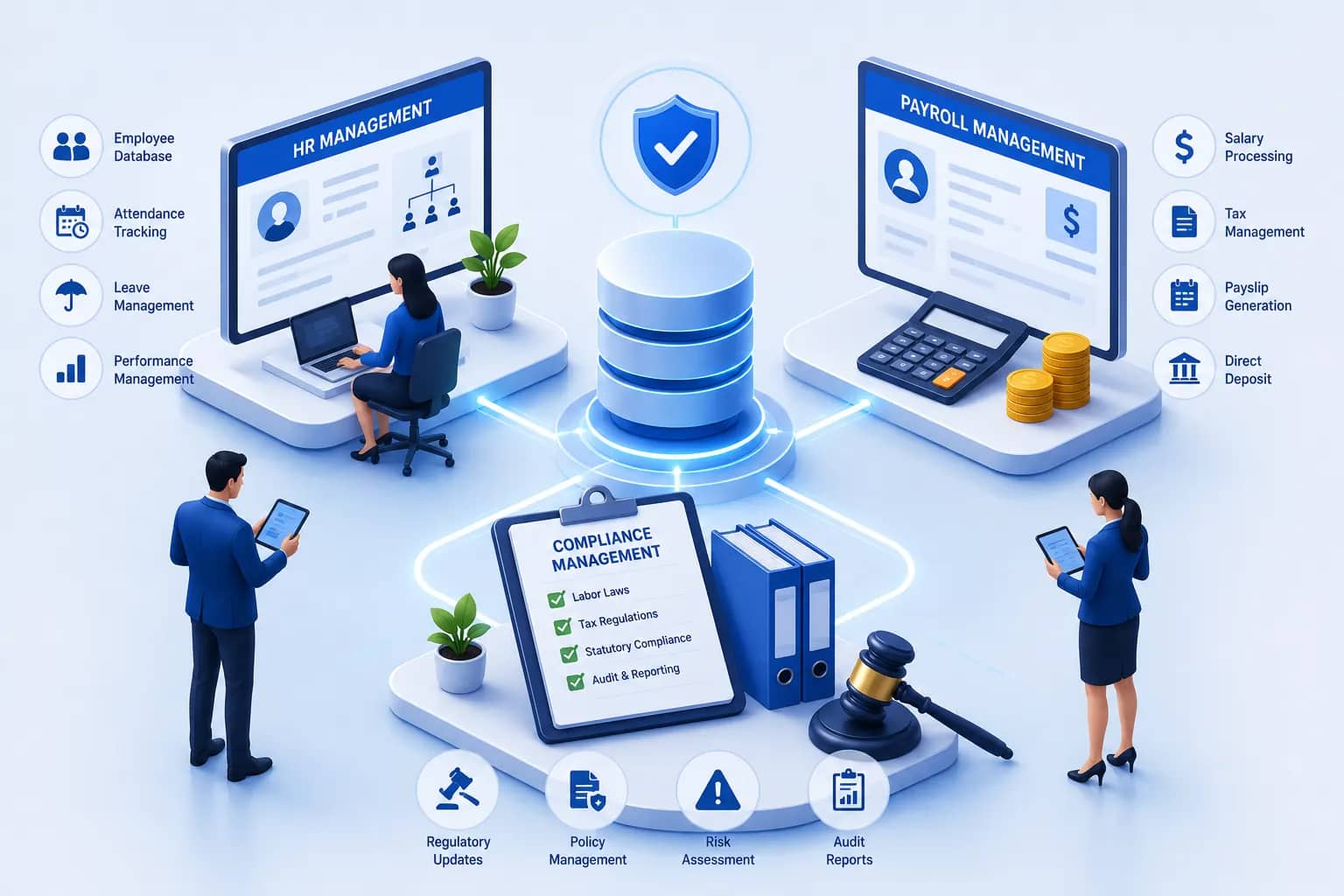
An integrated system combines:
- Human Resources
- Attendance Management
- Payroll Processing
- Compliance Management
- Employee Records
- Reporting & Analytics
All workforce-related data is managed through a centralized platform.
Benefits of HR Integration
Centralized Employee Records
Organizations maintain a single source of truth for employee information.
Benefits include:
- Reduced duplication
- Improved data accuracy
- Easier record management
Improved Workforce Visibility
Management gains access to real-time workforce information, helping improve decision-making.
Benefits of Payroll Integration
Automated Salary Processing
Payroll systems can directly use attendance and employee data for salary calculations.
Benefits include:
- Faster payroll processing
- Reduced errors
- Improved consistency
Better Payroll Reporting
Integrated systems provide detailed payroll reports and workforce analytics.
Benefits of Compliance Integration
Compliance systems can automatically use workforce and payroll data to support:
- EPFO compliance
- ESIC compliance
- Wage registers
- Attendance records
- Statutory reporting
This reduces manual effort and improves compliance readiness.
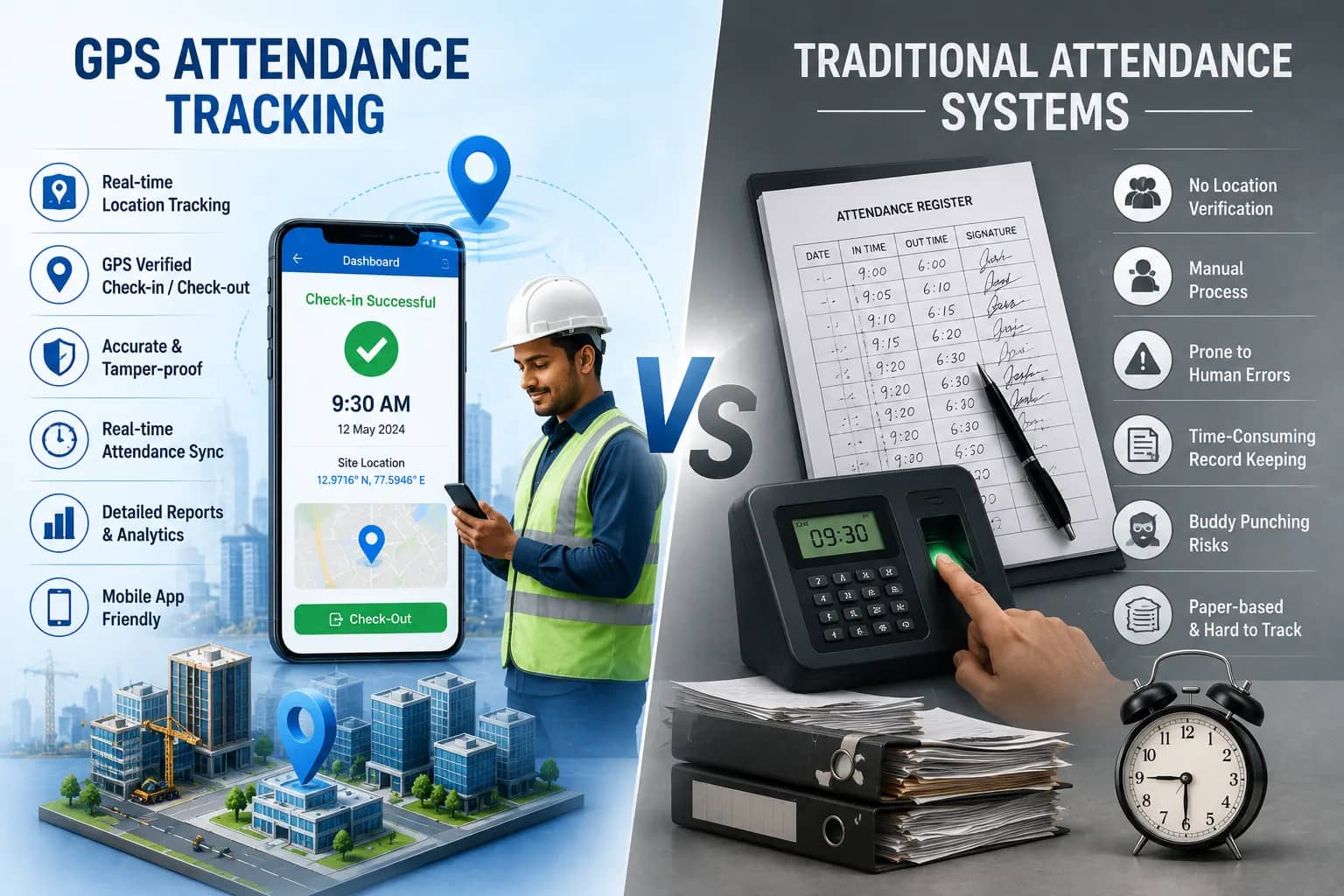
Attendance Integration Advantages
Attendance systems integrated with payroll and HR provide:
- Real-time attendance visibility
- Automated attendance summaries
- Accurate payroll inputs
- Better workforce monitoring
Organizations can eliminate many attendance-related errors.
Business Benefits
Integrated systems help organizations:
- Reduce administrative work
- Improve operational efficiency
- Increase payroll accuracy
- Improve compliance management
- Enhance workforce visibility
- Support business growth
Technology and Workforce Automation
Modern integrated platforms often include:
- ERP systems
- Attendance platforms
- Payroll engines
- Compliance modules
- AI-powered workflow automation
These technologies create a unified operational ecosystem.
Best Practices
Organizations should:
- Centralize workforce data
- Automate repetitive processes
- Integrate attendance with payroll
- Implement compliance monitoring
- Maintain accurate employee records
Conclusion
Integrated HR, payroll, and compliance systems provide significant operational advantages. By bringing workforce processes together into a single platform, businesses can improve efficiency, reduce risk, and create a stronger foundation for growth.