
Why Workforce Visibility Matters for Modern Businesses
Introduction
Organizations cannot effectively manage what they cannot see. As businesses grow, maintaining visibility into employee attendance, workforce productivity, operational activities, and field operations becomes increasingly important.
Workforce visibility enables organizations to make informed decisions, improve operational efficiency, and support long-term business growth.
What is Workforce Visibility?
Workforce visibility refers to the ability to monitor, understand, and manage workforce activities through accurate and timely information.
This includes:
- Employee attendance
- Workforce location
- Leave management
- Productivity tracking
- Operational reporting
- Workforce analytics
Modern businesses rely on technology to improve workforce visibility across departments and locations.
Challenges Without Workforce Visibility
Organizations with limited visibility often face:
- Attendance discrepancies
- Delayed reporting
- Productivity concerns
- Communication gaps
- Payroll inaccuracies
- Poor resource planning
These challenges impact both operational performance and business decision-making.
The Importance of Attendance Visibility
Attendance information directly affects:
- Payroll processing
- Workforce planning
- Project execution
- Compliance management
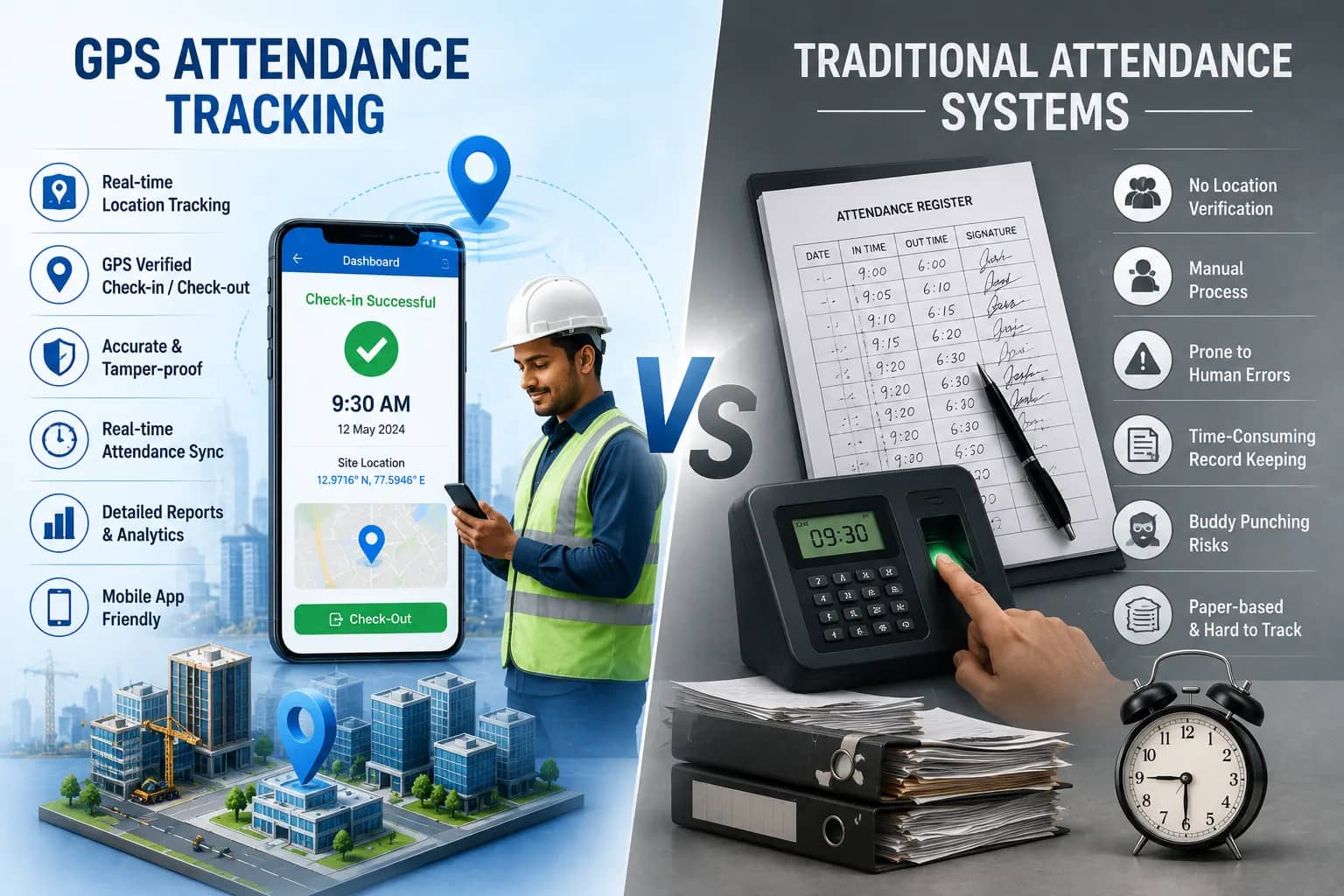
Digital attendance systems provide management with real-time insights into workforce availability and attendance patterns.
Visibility for Field Operations
Businesses managing field employees often require:
- GPS-based attendance
- Location verification
- Site-based workforce monitoring
- Real-time workforce updates
Without visibility, managers may struggle to coordinate field activities effectively.
Workforce Visibility and Productivity
Organizations with better workforce visibility can:
- Identify operational bottlenecks
- Improve employee accountability
- Optimize workforce allocation
- Improve project planning
Accurate information supports better business decisions.
Technology's Role
Modern workforce management platforms provide:
Real-Time Dashboards
Management can access workforce data instantly.
Automated Reporting
Reports are generated automatically, reducing manual effort.
Attendance Analytics
Organizations can analyze attendance trends and workforce performance.
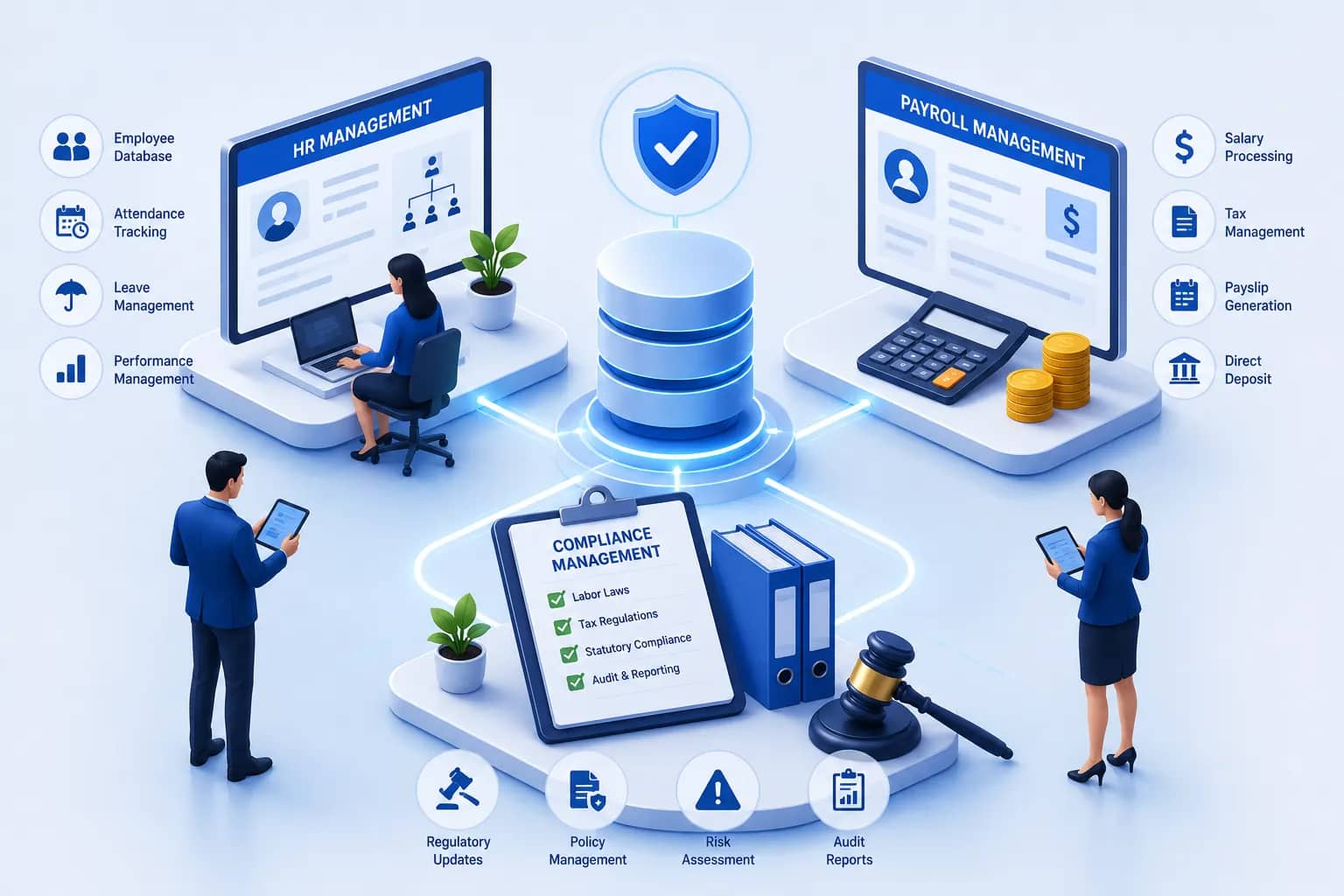
Integrated Systems
Attendance, payroll, HR, and compliance systems work together to provide a complete operational picture.
Business Benefits
Improved workforce visibility helps organizations:
- Increase productivity
- Improve attendance accuracy
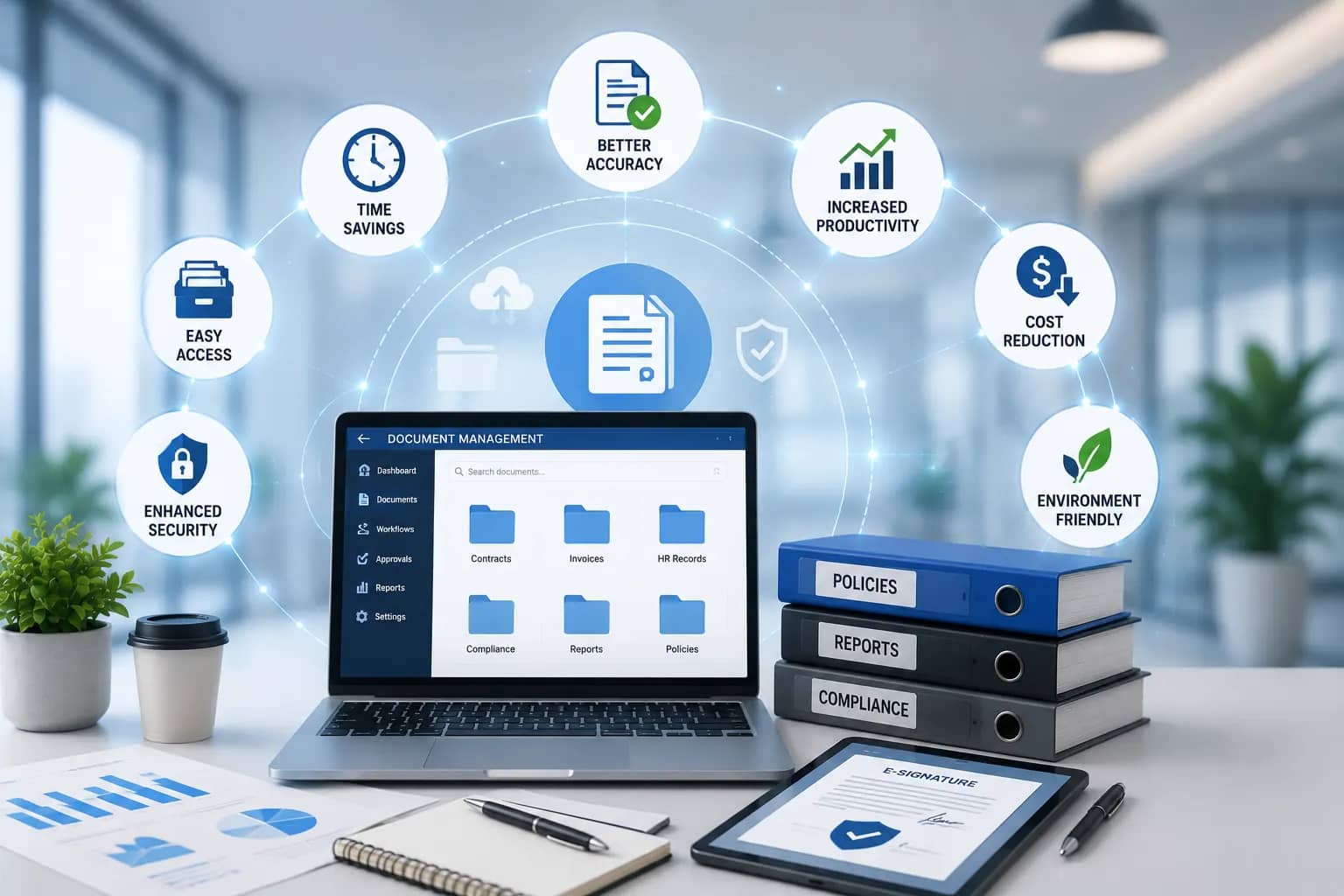
- Reduce administrative effort
- Improve payroll accuracy
- Strengthen compliance processes
- Support operational growth
Workforce Visibility and Digital Transformation
Many organizations are adopting:
- Attendance platforms
- HR systems
- Payroll automation
- Workforce analytics
- AI-powered workflow automation
These technologies provide greater operational transparency and control.
Best Practices
Organizations should:
- Implement digital attendance systems
- Automate reporting processes
- Integrate workforce management tools
- Monitor key workforce metrics
- Conduct regular operational reviews
Conclusion
Workforce visibility is a critical component of modern business management. Organizations that invest in workforce management technology gain better operational control, improved productivity, stronger compliance, and greater confidence in decision-making.