Building a Multi-Tenant ERP Platform for Growing Businesses
Introduction
As businesses grow, managing operations through spreadsheets and disconnected software becomes increasingly difficult. Finance, HR, sales, inventory, and compliance data often exist in separate systems, creating inefficiencies and reporting challenges.
A multi-tenant ERP platform solves this problem by bringing all business operations into a unified environment.
What is a Multi-Tenant ERP?
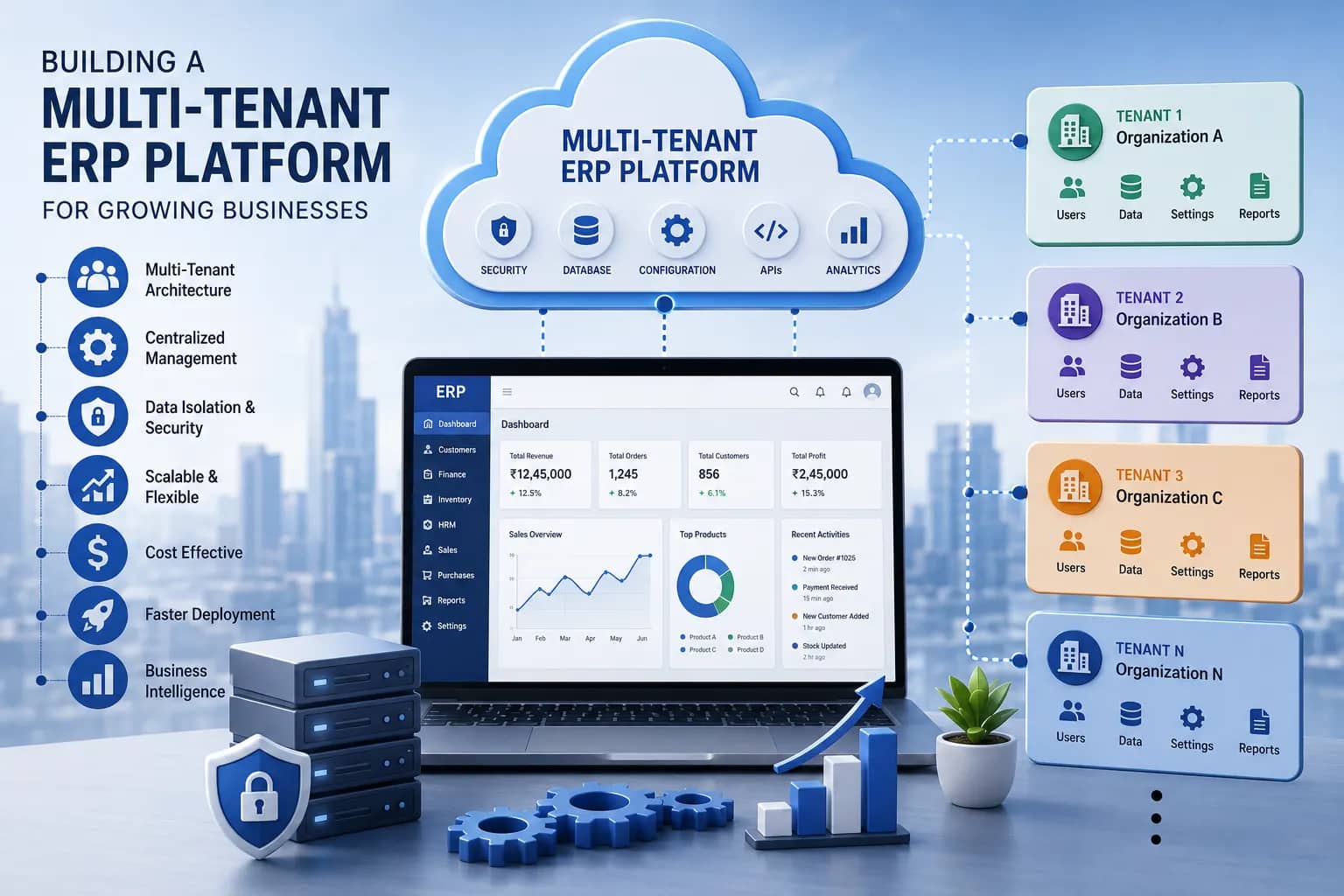
A multi-tenant ERP allows multiple companies to operate within a single platform while keeping their data completely isolated and secure.
Each organization accesses its own data, users, reports, and workflows without affecting other tenants on the system.
Core Business Modules
Finance Management
Finance modules help businesses manage quotations, invoices, payments, purchase orders, expenses, and financial reporting.
Human Resources
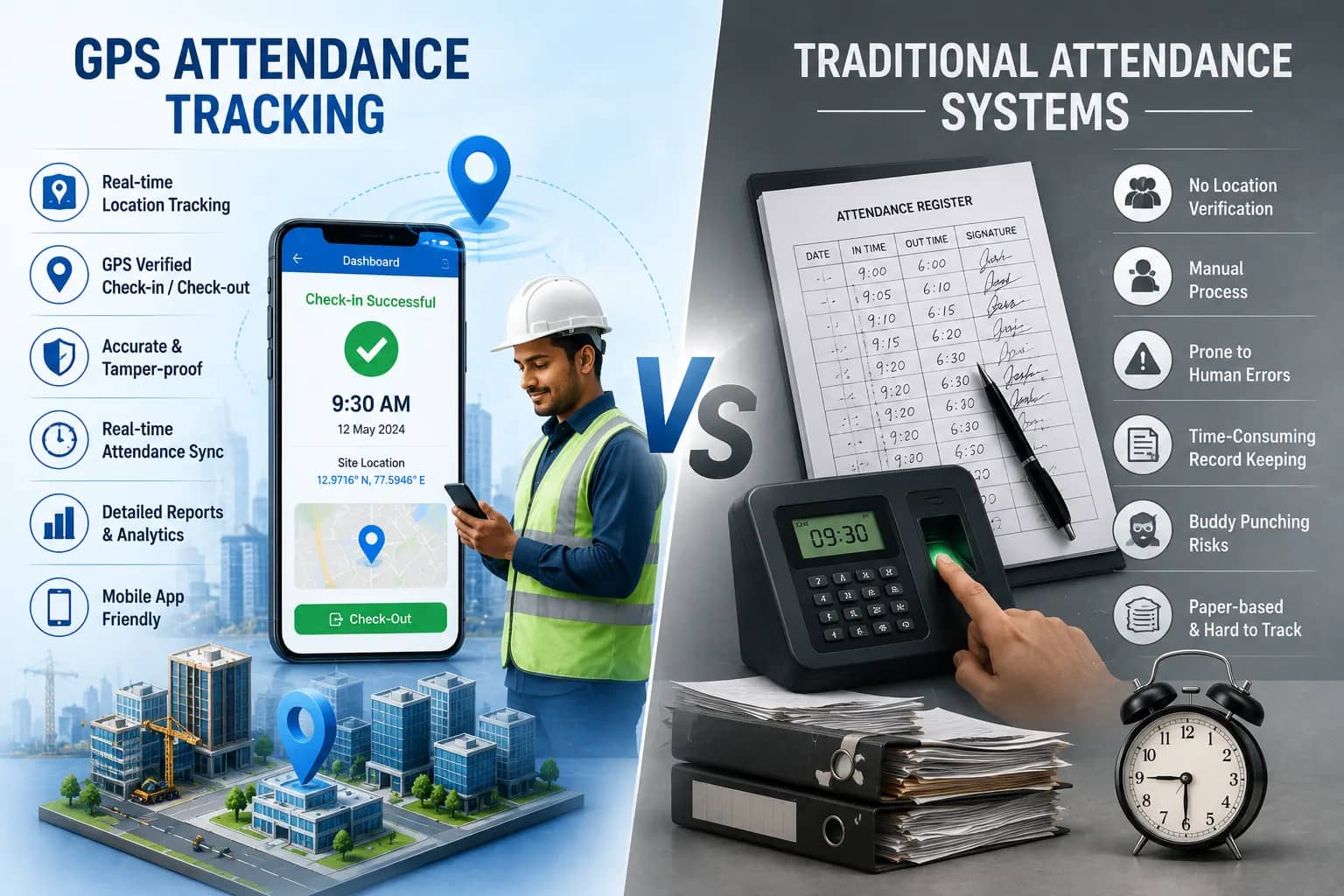
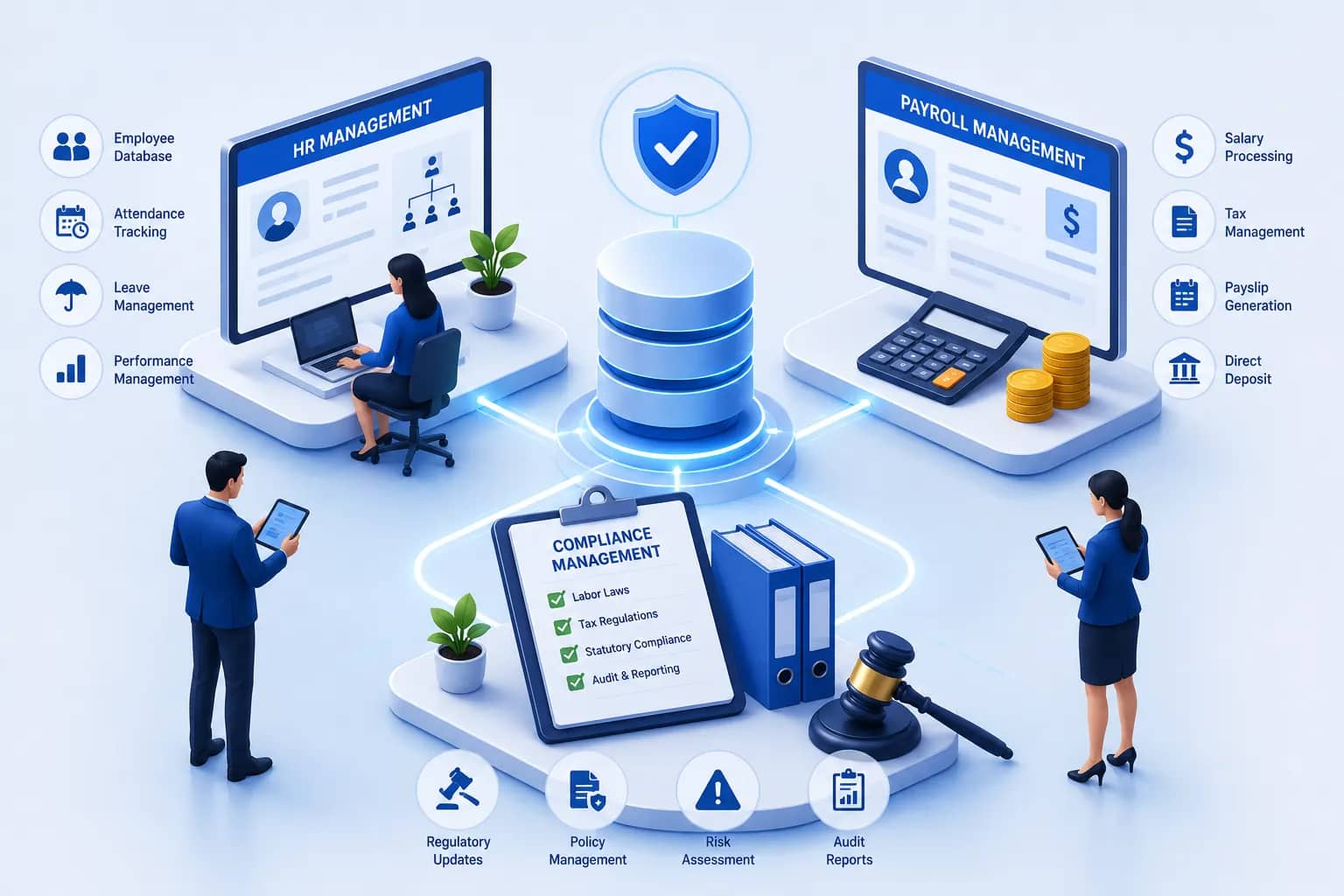
HR systems streamline employee management, payroll processing, attendance tracking, leave administration, and statutory compliance.
Customer Relationship Management
CRM modules help organizations manage leads, contacts, opportunities, customer communication, and sales pipelines.
Inventory Management
Inventory systems track products, warehouses, stock movement, suppliers, and procurement operations.