Digital Transformation in HR & Payroll Operations
Introduction
Human Resources and Payroll are among the most critical functions within any organization. Traditionally, many businesses have relied on spreadsheets, manual calculations, paper records, and disconnected systems to manage workforce operations.
Digital transformation helps organizations modernize HR and payroll processes, improve accuracy, and create a better employee experience.
Why Traditional Processes Create Challenges
Manual HR and payroll processes often result in:
- Data entry errors
- Payroll calculation mistakes
- Delayed reporting
- Attendance discrepancies
- Compliance risks
- Increased administrative workload
As organizations grow, these challenges become more difficult to manage.
What is Digital HR Transformation?
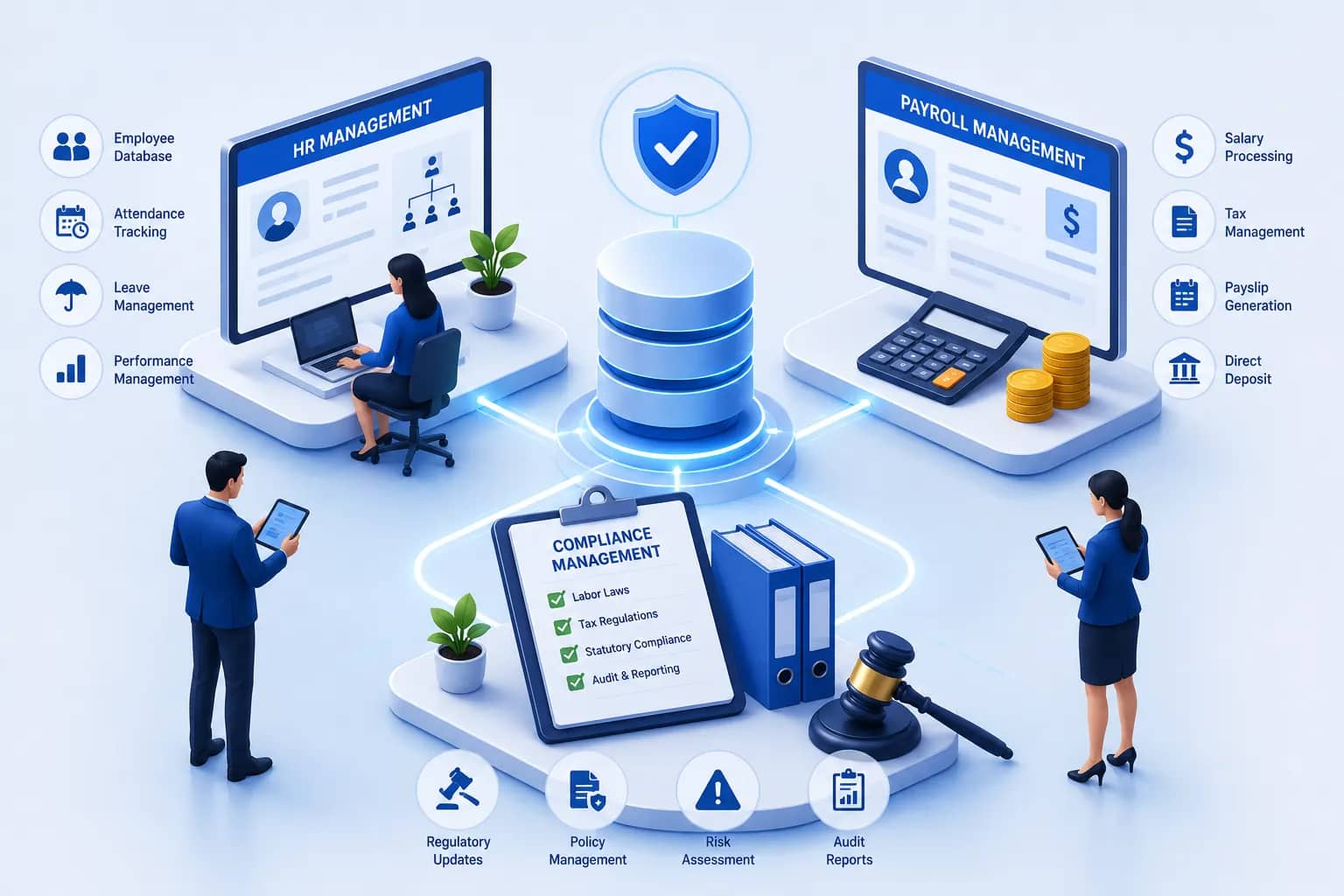
Digital HR transformation involves using technology to streamline workforce management and automate repetitive HR activities.
Common areas include:
- Employee record management
- Attendance tracking
- Leave management
- Payroll processing
- Employee communication
- Compliance management
Modern Attendance Management
Digital attendance systems provide:
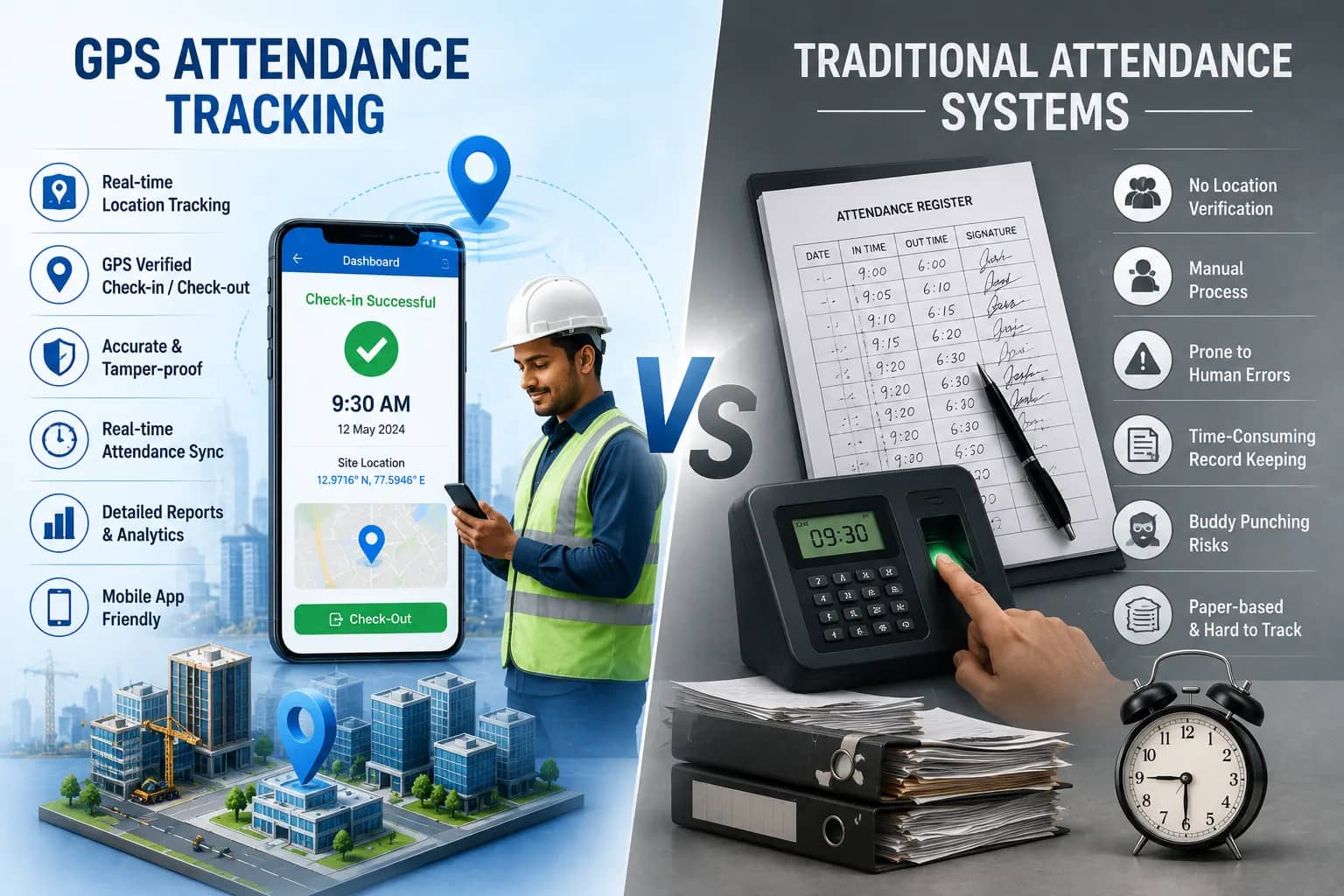
Real-Time Visibility
Managers can track workforce attendance instantly.
GPS-Based Attendance
Location-enabled attendance improves accountability for field employees and remote teams.
Automated Reporting
Attendance reports can be generated automatically, reducing manual effort.
Payroll Automation Benefits
Payroll automation helps organizations:
- Calculate salaries accurately
- Process overtime automatically
- Manage deductions consistently
- Generate payslips instantly
- Reduce payroll processing time
Automation also minimizes human errors and improves employee confidence.
Compliance Management
HR and payroll operations are closely linked to statutory compliance.
Digital systems help organizations manage:
- EPFO compliance
- ESIC compliance
- Payroll registers
- Employee records
- Labour law documentation
Automated reminders and reporting improve compliance readiness.
Employee Experience Improvements
Modern HR platforms improve employee engagement through:
- Self-service access
- Faster communication
- Digital document access
- Attendance visibility
- Payroll transparency
Employees gain greater visibility into their employment information.
Key Business Benefits
Organizations implementing digital HR systems often experience:
- Reduced administrative effort
- Improved payroll accuracy
- Better compliance management
- Faster reporting
- Improved workforce visibility
- Higher operational efficiency
Technology and Workforce Management
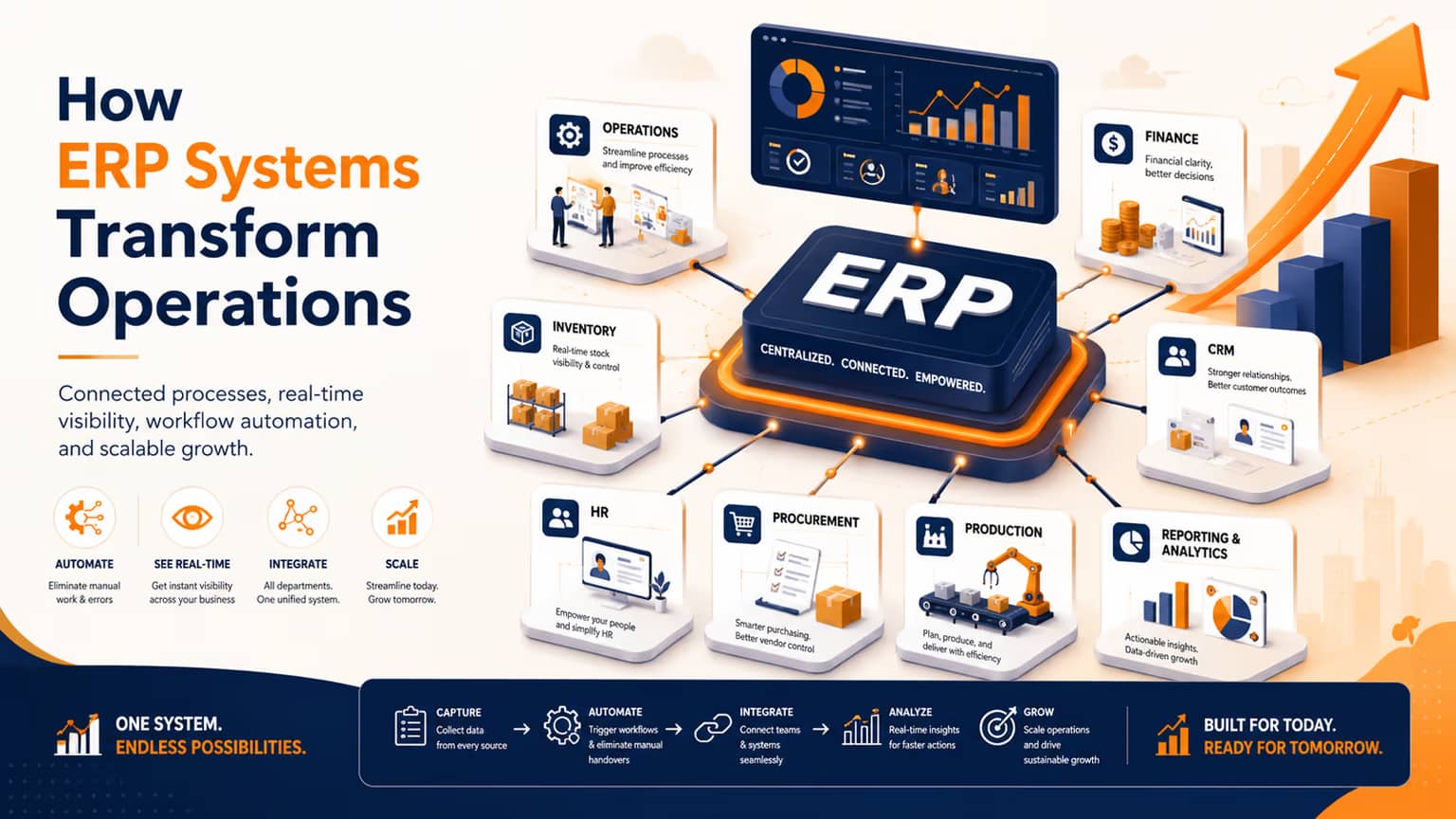
Modern businesses increasingly integrate HR systems with:
- Attendance platforms
- Payroll engines
- ERP systems
- Compliance tools
- AI-powered automation workflows
These integrations create a unified workforce management ecosystem.
Conclusion
Digital transformation in HR and payroll is no longer optional for growing businesses. Organizations that modernize workforce operations gain greater efficiency, accuracy, compliance readiness, and employee satisfaction while building a stronger foundation for future growth.