How AI Automation is Transforming Business Operations in 2026
Introduction
Businesses today face increasing operational complexity. Managing employee attendance, customer communication, approvals, payroll processing, and compliance activities manually consumes valuable time and resources.
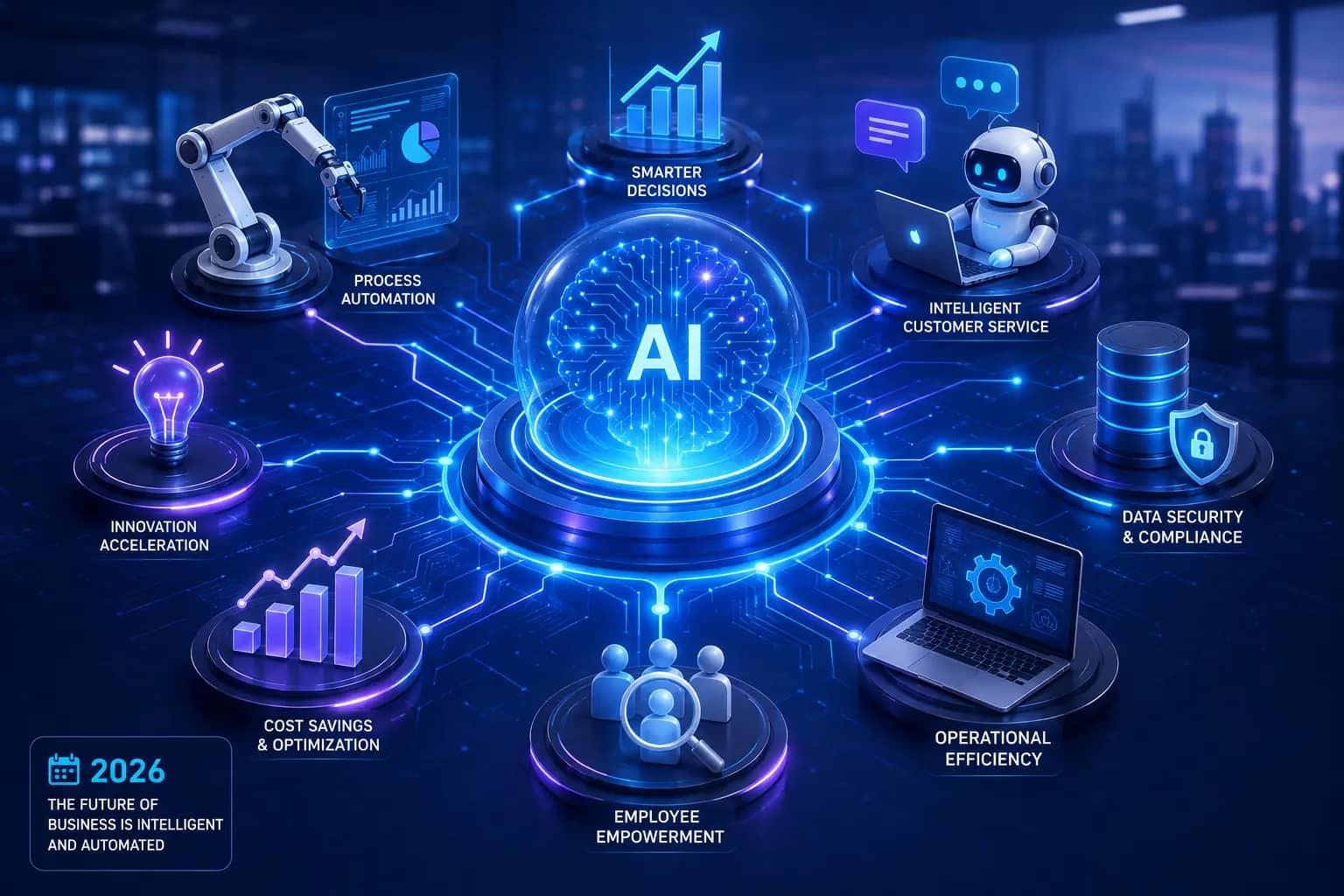
AI-powered automation is helping organizations reduce repetitive work, improve accuracy, and increase operational efficiency.
Key Areas Where AI Creates Impact
Communication Automation
AI systems can monitor incoming emails, categorize requests, generate draft responses, and assist teams in managing communication more efficiently.
Workforce Management
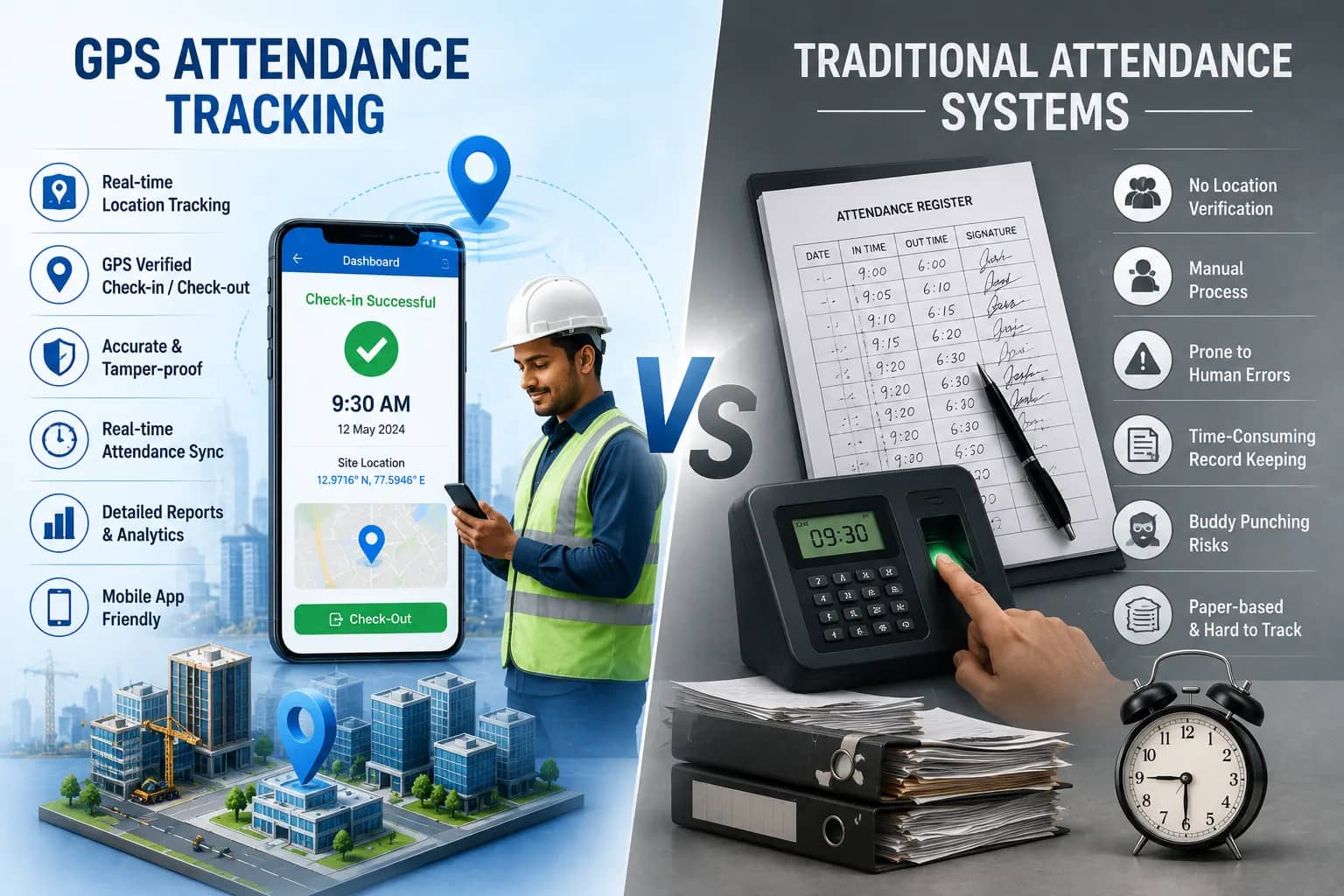
Attendance tracking, leave management, shift monitoring, and employee notifications can be automated using AI-powered workflows.
Approval Workflows
Organizations often rely on manual approval processes. AI automation enables faster approvals through workflow routing, notifications, and decision support systems.
Customer Follow-Ups
Automated reminders and follow-up workflows help businesses improve response rates while reducing manual effort.
Compliance Support
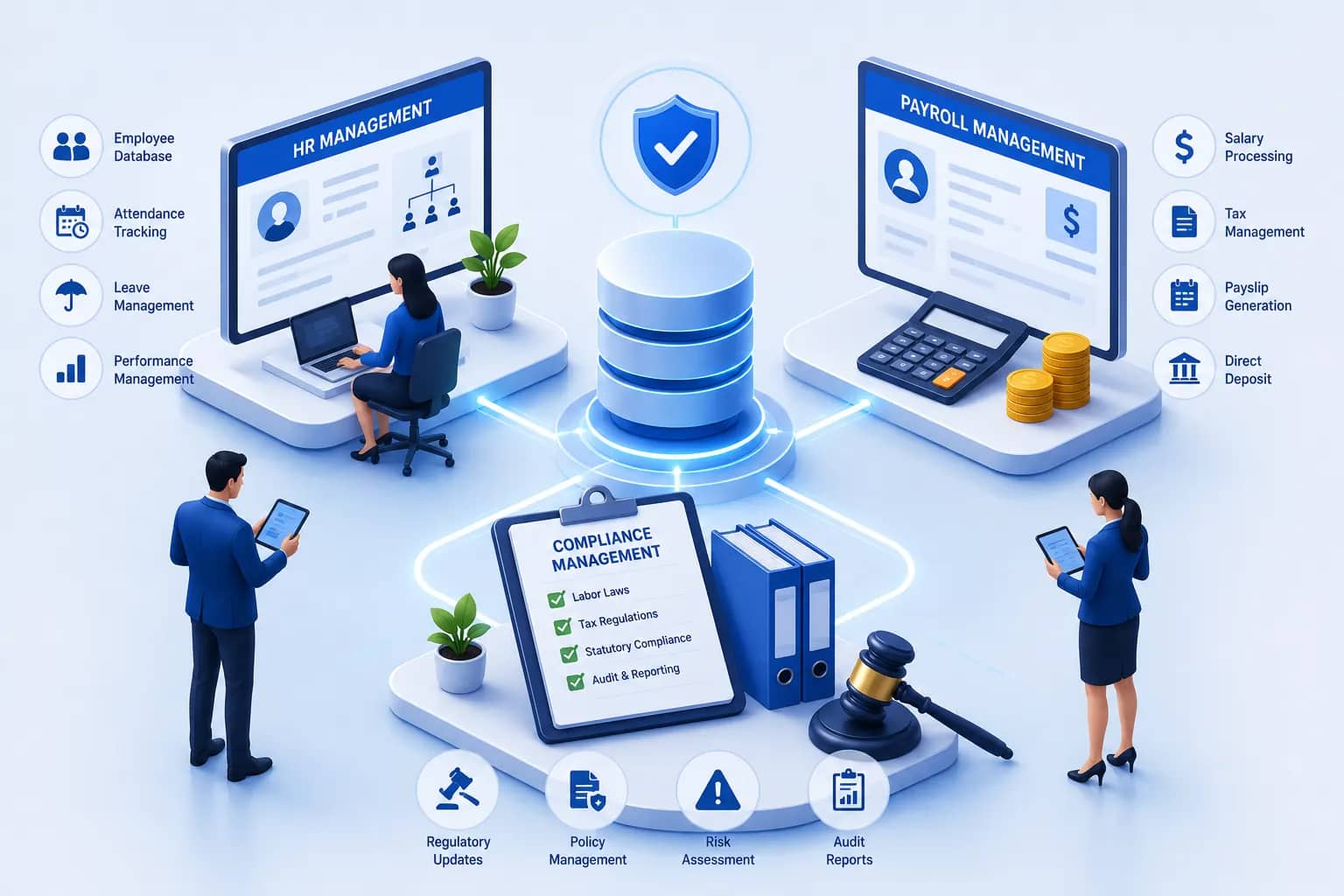
AI can assist organizations in managing recurring compliance tasks, reminders, documentation tracking, and reporting activities.
Benefits of AI Automation
- Reduced manual workload
- Faster response times
- Improved operational visibility
- Better employee productivity
- Consistent workflow execution
- Reduced human errors
Choosing the Right Automation Strategy
Businesses should focus on automating repetitive, rule-based processes before expanding into more advanced AI-driven workflows.
The most successful implementations combine automation, business rules, and human oversight.
Conclusion
AI automation is no longer limited to large enterprises. Modern businesses can leverage automation to improve efficiency, reduce operational costs, and create scalable processes that support long-term growth.