How Businesses Can Reduce Payroll Errors Through Automation
Introduction
Payroll is one of the most critical business functions. Employees expect accurate salary payments, statutory deductions, and timely payroll processing.
However, many organizations still rely on spreadsheets and manual calculations, increasing the risk of payroll errors and compliance issues.
Payroll automation helps businesses improve accuracy, reduce manual work, and streamline workforce management.
Common Payroll Errors
Organizations frequently encounter:
- Incorrect salary calculations
- Overtime calculation mistakes
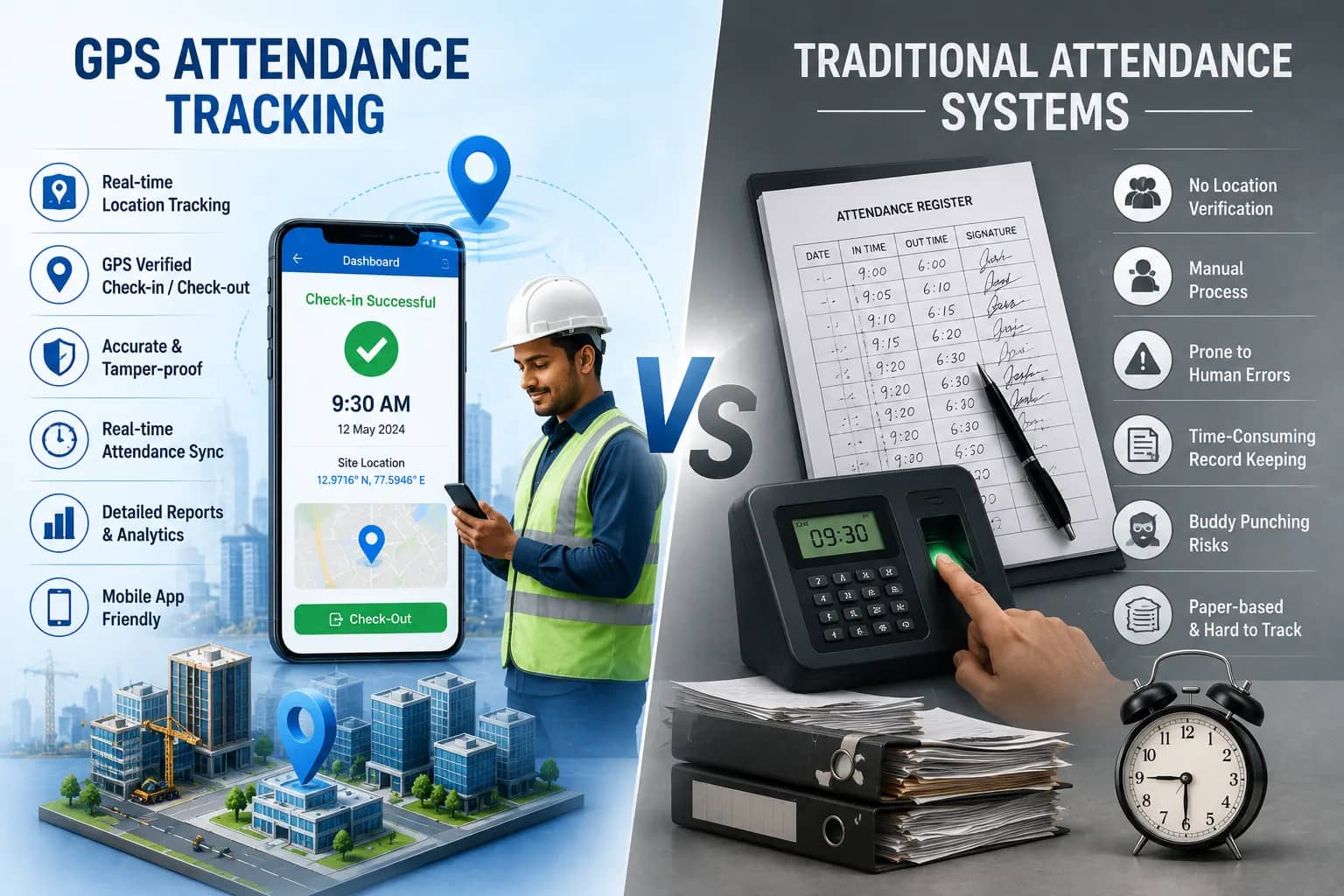
- Attendance mismatches
- Wrong statutory deductions
- Missing employee records
- Delayed salary processing
These errors can affect employee trust and create compliance risks.
Why Payroll Errors Occur
Manual Data Entry
Entering attendance, salary components, and deductions manually increases the likelihood of mistakes.
Disconnected Systems
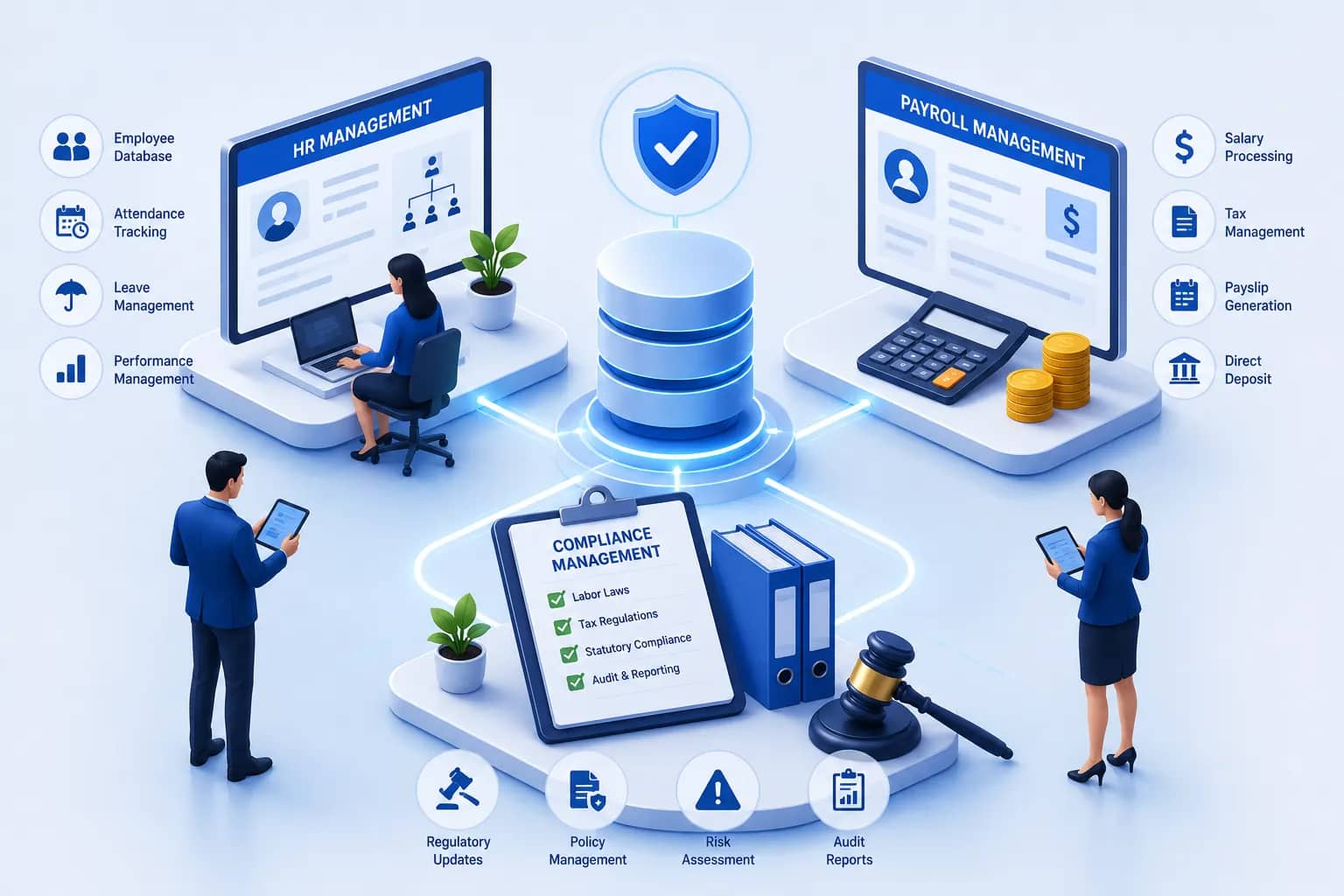
When attendance, payroll, and HR systems are separate, data inconsistencies become common.
Compliance Complexity
Organizations must manage:
- EPFO contributions
- ESIC contributions
- Professional tax
- Payroll registers
- Labour law requirements
Manual processing often leads to filing and calculation errors.
How Payroll Automation Helps
Automated Salary Calculation
Payroll systems automatically calculate:
- Basic salary
- Allowances
- Deductions
- Overtime
- Net salary
This reduces human intervention and improves consistency.
Attendance Integration
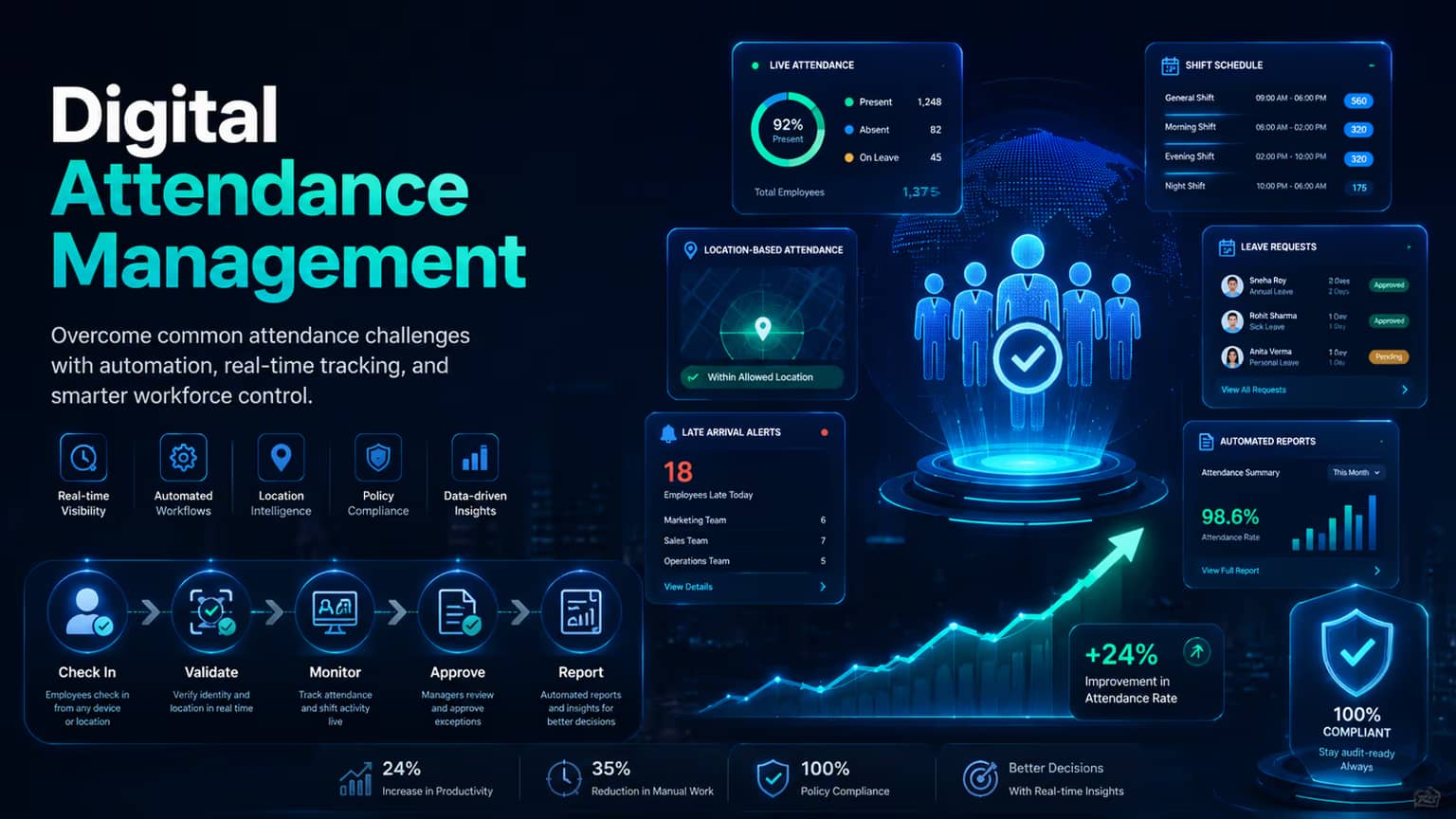
Automated payroll systems can directly use attendance data for salary processing.
Benefits include:
- Faster payroll preparation
- Reduced attendance discrepancies
- Improved reporting accuracy
Compliance Support
Payroll automation helps organizations maintain:
- EPFO compliance
- ESIC compliance
- Payroll registers
- Employee records
This improves audit readiness and regulatory compliance.
Payslip Generation
Digital payroll systems generate payslips instantly, reducing administrative effort.
Business Benefits
Organizations implementing payroll automation often achieve:
- Reduced payroll errors
- Faster salary processing
- Better compliance management
- Improved employee satisfaction
- Reduced administrative workload
Best Practices
- Integrate attendance with payroll
- Maintain accurate employee records
- Automate statutory calculations
- Review payroll reports regularly
- Conduct periodic payroll audits
Future of Payroll Management
Modern payroll platforms increasingly integrate with:
- HR systems
- Attendance platforms
- ERP systems
- Compliance management tools
- AI-powered automation workflows
These integrations create more efficient workforce operations.
Conclusion
Payroll automation helps organizations improve accuracy, reduce compliance risks, and streamline salary processing. Businesses that modernize payroll operations gain greater efficiency, transparency, and workforce confidence.