The Role of Compliance Management in Business Growth
Introduction
Many organizations view compliance as a regulatory requirement rather than a business advantage. However, effective compliance management plays a critical role in supporting operational stability, reducing business risk, and enabling sustainable growth.
As businesses expand, compliance requirements become increasingly complex, making structured compliance management essential.
What is Compliance Management?
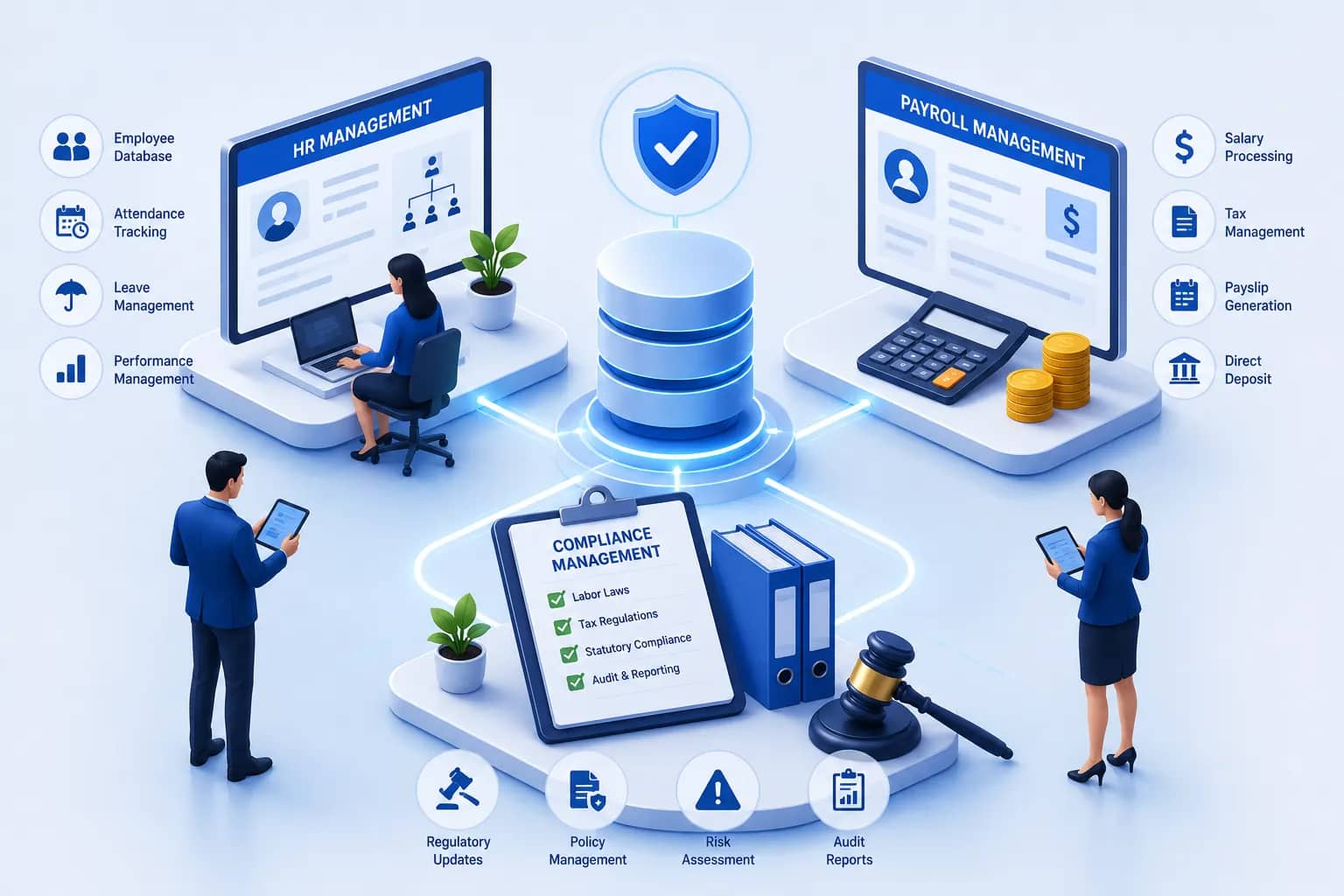
Compliance management is the process of ensuring that an organization follows applicable laws, regulations, industry standards, and internal policies.
It includes activities such as:
- Employee record management
- Payroll compliance
- EPFO and ESIC administration
- Labour law compliance
- Documentation management
- Regulatory reporting
Why Compliance Matters
Businesses that neglect compliance often face:
- Financial penalties
- Regulatory notices
- Legal disputes
- Audit failures
- Operational disruptions
Compliance helps organizations operate with confidence while reducing unnecessary risks.
Compliance and Business Growth
Reduced Business Risk
A strong compliance framework helps identify and address risks before they become major issues.
Improved Operational Efficiency
Standardized processes improve consistency across departments and reduce administrative inefficiencies.
Better Employee Trust
Employees gain confidence when payroll, benefits, attendance, and compliance activities are managed accurately.
Increased Credibility
Organizations with strong compliance practices often build greater trust with customers, vendors, and business partners.
Key Compliance Areas
Workforce Compliance
Businesses must maintain:
- Employee records
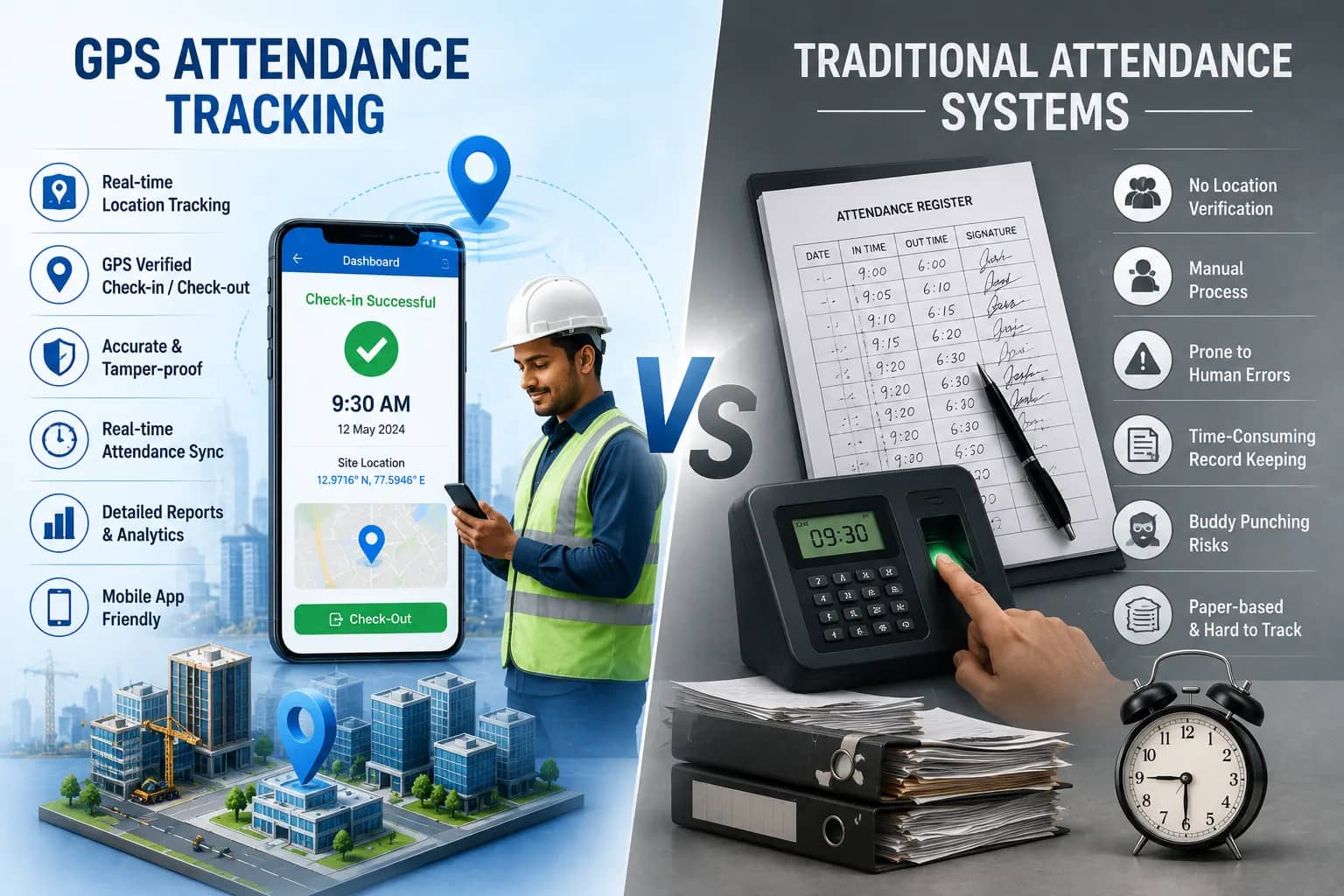
- Attendance records
- Wage registers
- Leave registers
- Service records
Payroll Compliance
Payroll processes should include:
- Accurate salary calculations
- Statutory deductions
- Payslip generation
- Payroll reporting
EPFO & ESIC Compliance
Organizations must ensure:
- Employee registration
- Contribution processing
- Monthly filings
- Compliance reporting
Documentation Management
Proper documentation supports:
- Audits
- Inspections
- Regulatory reviews
- Operational transparency
Technology and Compliance
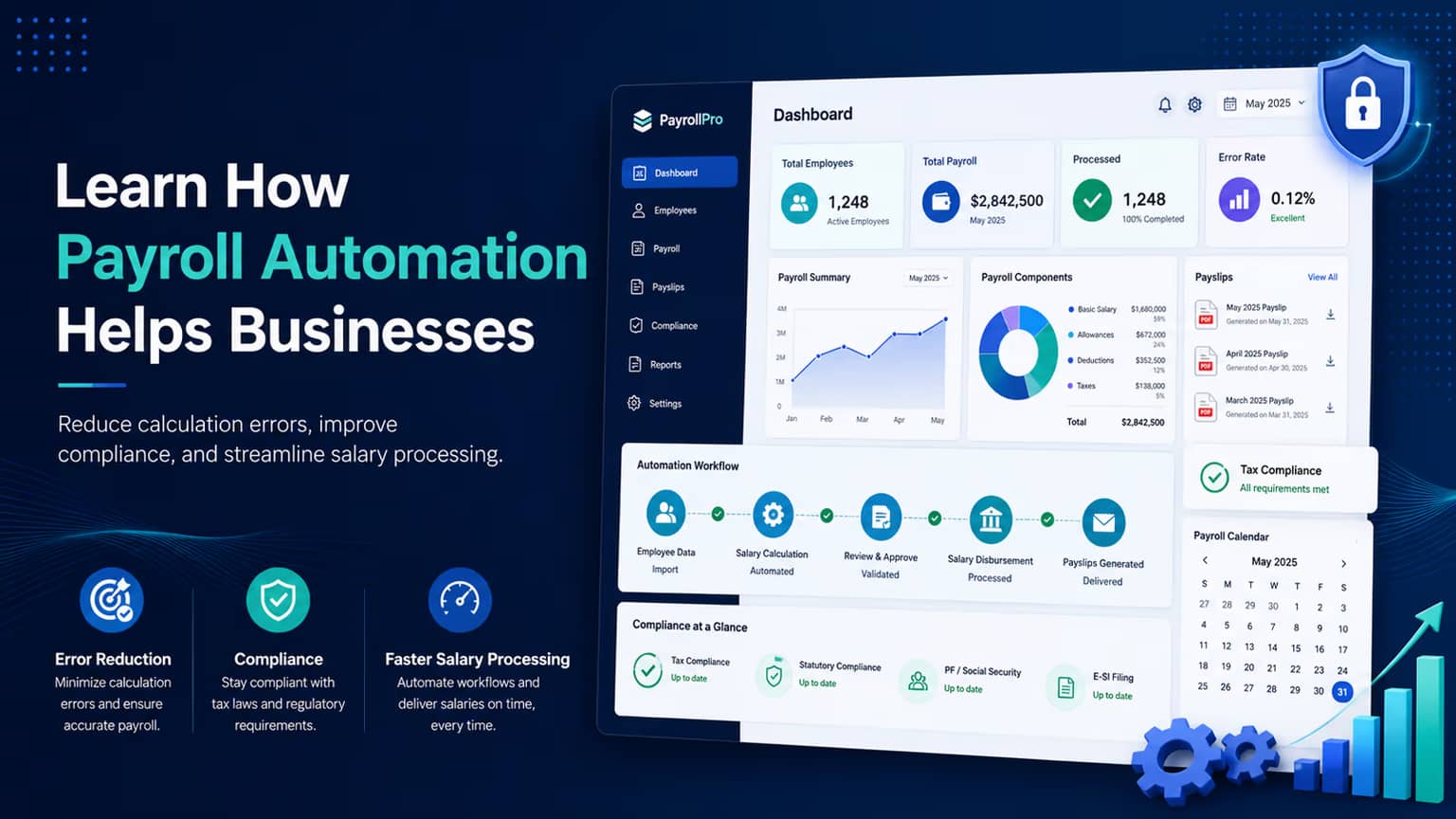
Modern compliance management systems help businesses:
- Track compliance activities
- Automate reminders
- Generate reports
- Maintain audit trails
- Improve documentation control
Technology reduces manual effort while improving visibility.
Common Compliance Challenges
Organizations frequently struggle with:
- Manual record keeping
- Filing delays
- Incomplete documentation
- Attendance discrepancies
- Payroll errors
Structured compliance processes help overcome these challenges.
Best Practices
Businesses should:
- Maintain updated records
- Conduct regular compliance reviews
- Automate repetitive compliance tasks
- Monitor filing deadlines
- Implement digital documentation systems
Conclusion
Compliance management is more than a legal obligation. It is a strategic business function that supports growth, improves operational efficiency, reduces risk, and strengthens organizational credibility. Businesses that invest in compliance management are better positioned for long-term success.