Why Every Growing Business Needs an ERP System
Introduction
Many businesses begin their journey using spreadsheets, standalone software, and manual processes. While these methods may work initially, they often become difficult to manage as operations grow.
An Enterprise Resource Planning (ERP) system helps organizations centralize business operations, improve visibility, and automate critical workflows.
Common Challenges Growing Businesses Face
As businesses expand, they often encounter:
- Data scattered across multiple systems
- Duplicate manual work
- Reporting delays
- Poor visibility into operations
- Communication gaps between departments
- Difficulty tracking business performance
These challenges slow down growth and increase operational costs.
What is an ERP System?
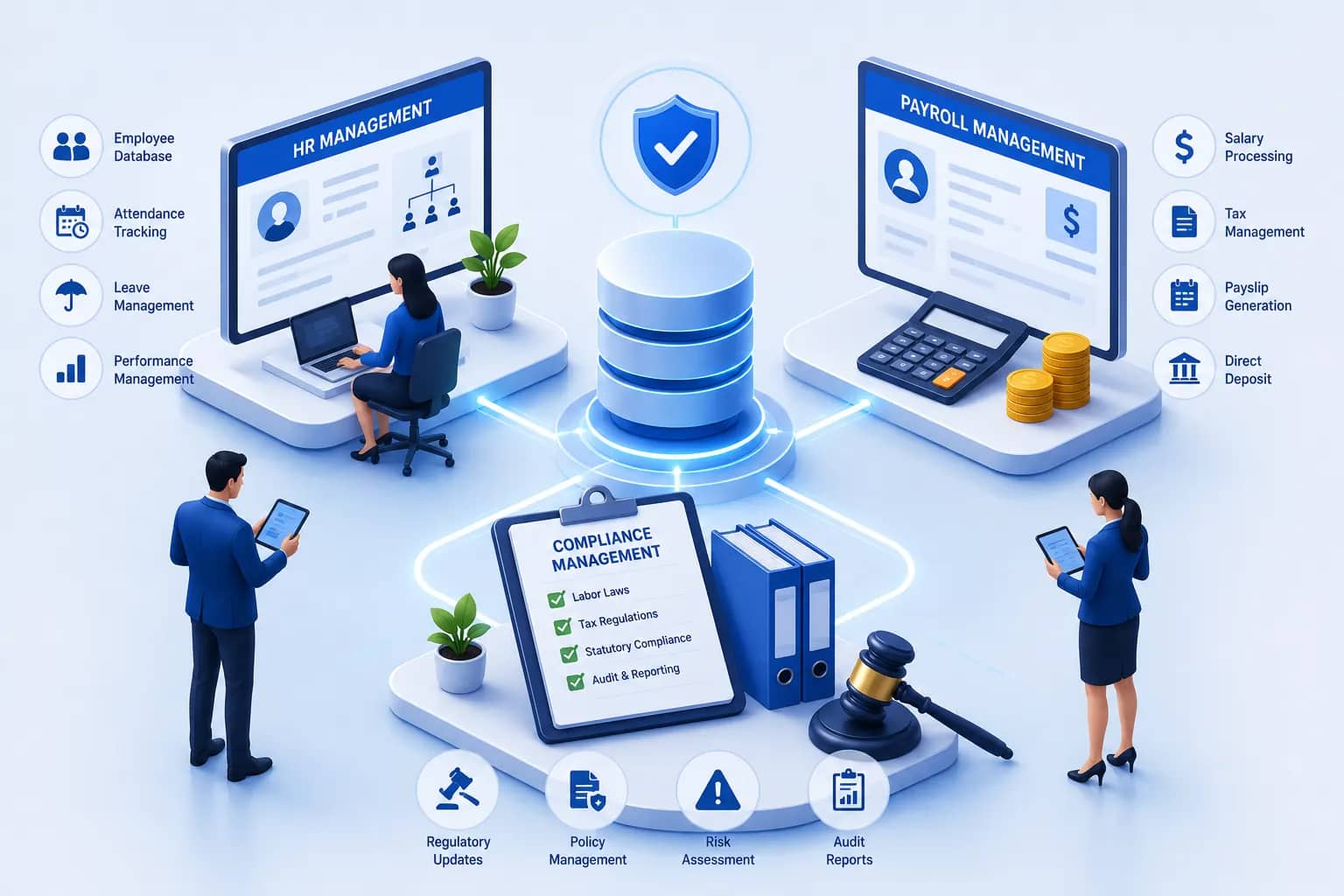
An ERP system integrates multiple business functions into a single platform.
Typical ERP modules include:
- Finance
- Human Resources
- Payroll
- Customer Relationship Management (CRM)
- Inventory Management
- Procurement
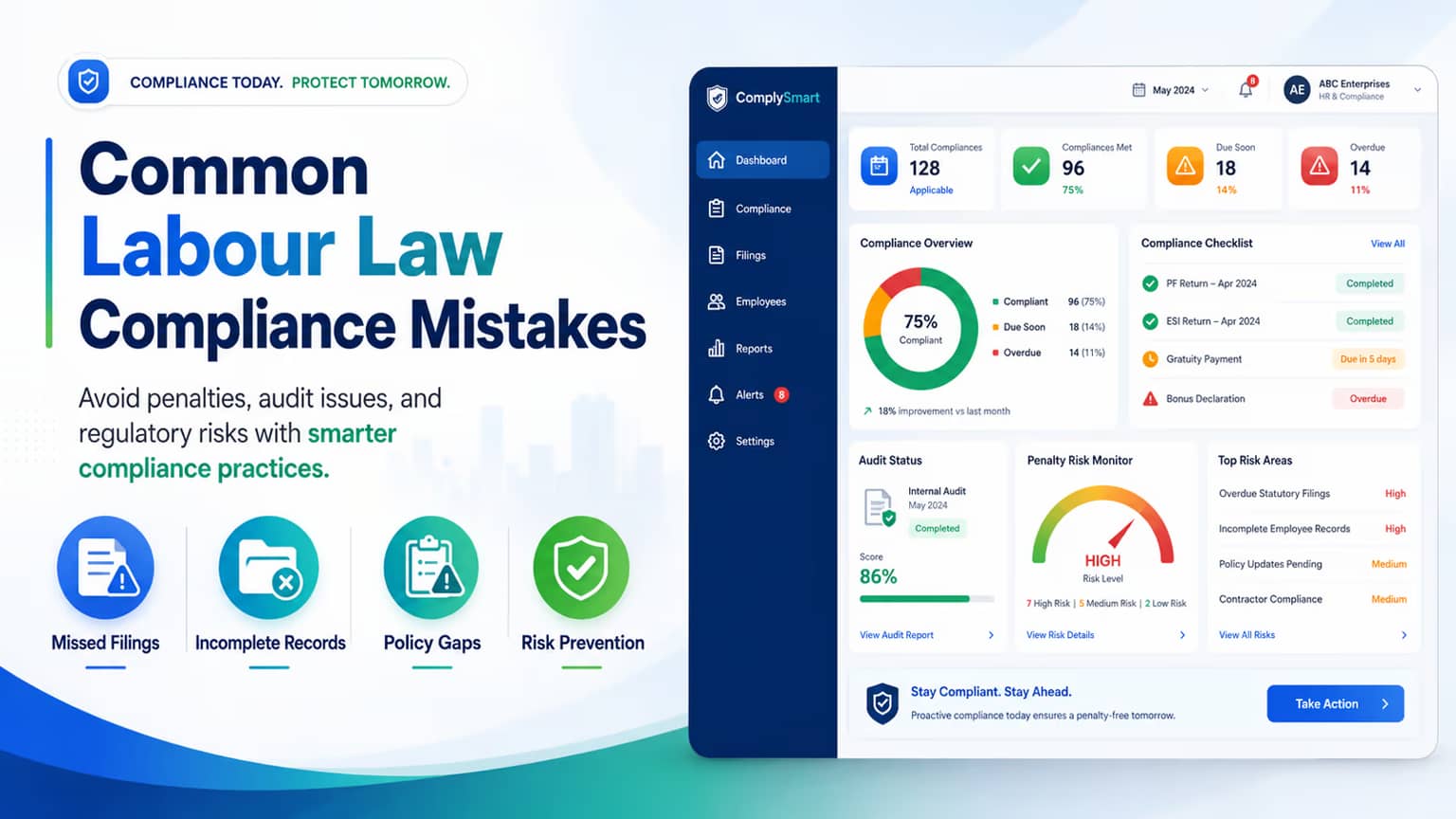
- Compliance Management
- Reporting & Analytics
Instead of managing separate systems, organizations can operate through one centralized platform.
Benefits of ERP Implementation
Centralized Data Management
All business information is stored in a single system, improving accuracy and reducing duplication.
Better Decision Making
Real-time reports and dashboards help management make informed business decisions.
Improved Productivity
Employees spend less time on manual tasks and more time on strategic activities.
Process Standardization
ERP systems establish consistent workflows across departments.
Scalability
As businesses grow, ERP platforms can support additional users, processes, and operational complexity.
Key Business Areas Improved by ERP
Finance Management
- Invoicing
- Payments
- Purchase Orders
- Expense Tracking
- Financial Reporting
Human Resources
- Employee Management
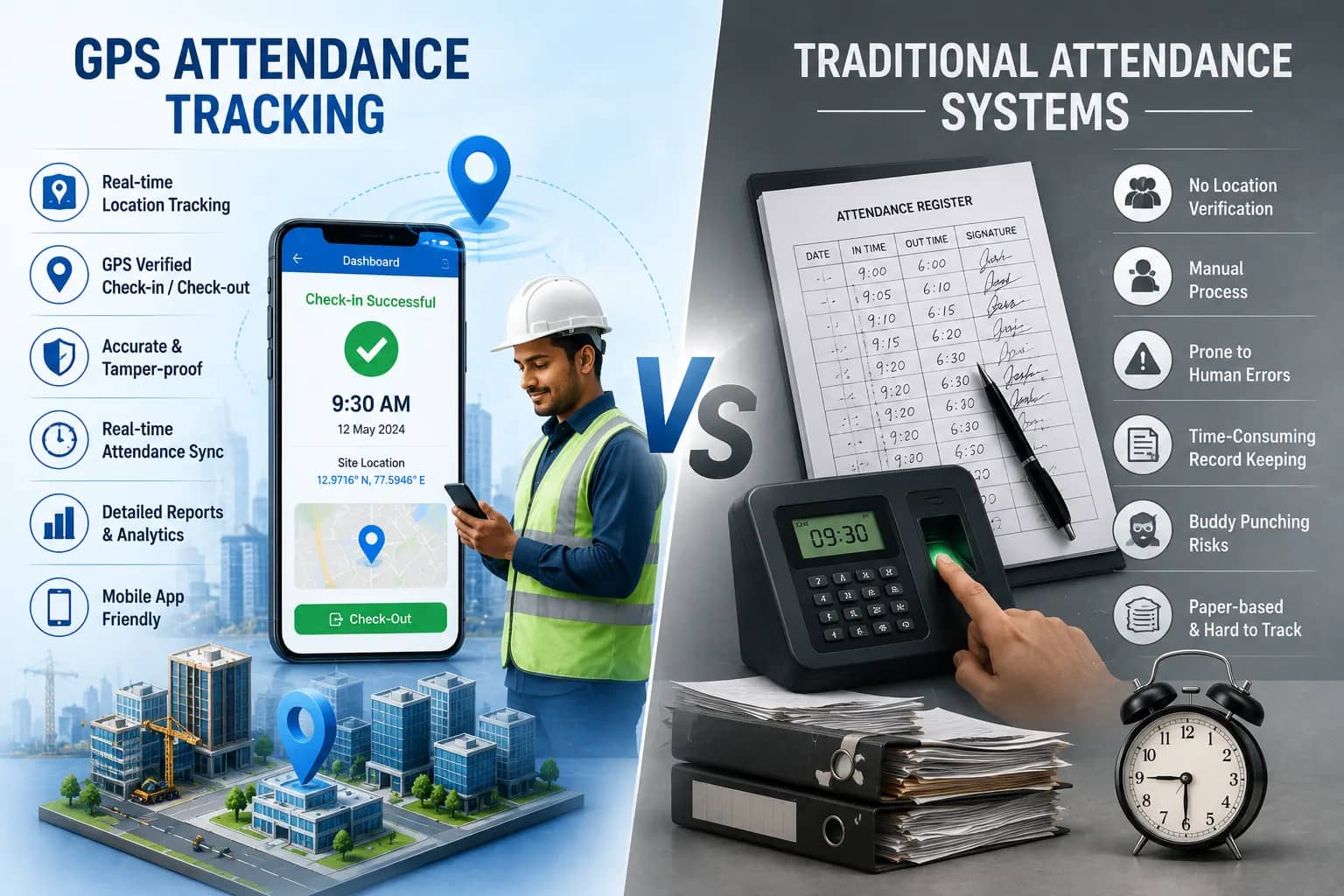
- Attendance Tracking
- Leave Management
- Payroll Processing
CRM & Sales
- Lead Management
- Opportunity Tracking
- Customer Communication
- Sales Reporting
Inventory & Operations
- Stock Monitoring
- Supplier Management
- Warehouse Operations
- Procurement Workflows
Signs Your Business Needs an ERP
Organizations should consider ERP implementation when:
- Teams rely heavily on spreadsheets
- Multiple software systems are being used
- Reporting takes excessive time
- Data accuracy becomes difficult to maintain
- Operational processes become difficult to manage
ERP and Digital Transformation
ERP systems often serve as the foundation for digital transformation initiatives.
By integrating business operations into a single platform, organizations can more easily adopt automation, analytics, AI solutions, and advanced reporting capabilities.
Conclusion
An ERP system is more than software. It is a strategic platform that helps businesses improve efficiency, increase visibility, and support long-term growth. Organizations investing in ERP technology position themselves for better scalability and operational excellence.